


 (916) 313-3030
Trust Protectors in California: How One Provision Can Prevent Trustee Abuse

Why Trust Protectors Matter
I am Michael Hackard, founder of Hackard Law, and over five decades of practice I have fought for heirs, beneficiaries, and elder abuse victims across Sacramento, the San Francisco Bay Area, and Los Angeles. I have written four books on inheritance protection and produced more than 1,000 educational videos that have reached over seven million viewers. In that time, I have heard a phrase repeated by trust beneficiaries in some of the most painful situations imaginable: “I wish I had a trust protector.”
That wish almost always comes too late. A trust is already in place. A trustee is already acting badly. The legal options available are expensive, slow, and uncertain. What could have been prevented with a single well-drafted provision in the trust agreement now requires litigation. This post explains what a trust protector is, how the role works under California law, and why asking your estate planning attorney to include trust protector provisions may be one of the most important decisions you ever make for your family.
Hackard Law provides contingency fee representation for qualified trust, estate, and elder financial abuse cases – no upfront costs. To speak with our team, call (916) 313-3030.
Quick Summary
A trust protector is an independent third party named in a trust agreement with specific powers to oversee the trustee and protect the trust’s original purpose.
- A trust protector can remove and replace a trustee without going to court.
- Trust protector powers must be spelled out clearly in the trust document.
- Fiduciary abuse by licensed professionals, financial institutions, and family members is common.
- Adding a trust protector provision at the drafting stage costs little but can prevent enormous harm.
- California beneficiaries without a trust protector face slow, costly litigation when a trustee goes wrong.
A Story That Illustrates the Problem
A mother dying of terminal cancer hired a local estate planning attorney to create a trust. The trust was designed to provide a lifetime income benefit for her 60-year-old son. She named the Little Sisters of the Poor as the remainder beneficiary – whoever was left in the trust at her son’s death would go to charity. The estate planner recommended a health, education, maintenance and support (HEMS) trust and suggested a licensed California professional fiduciary as successor trustee.
The mother died. The trust held millions of dollars in assets. Her son was living in her home, which carried no mortgage. Shortly after the mother’s death, the licensed fiduciary met with the son, took no notes, and indicated he intended to pay very little toward the son’s health, education, maintenance, and support. Then the fiduciary moved to evict the son from his deceased mother’s house.
The son soon discovered that the fiduciary’s annual fees would exceed anything the son himself would receive as the sole lifetime beneficiary. Trust funds were being used to pay lawyers working to remove the trust’s only living beneficiary from the family home. The mother had never intended for an unknown, for-profit fiduciary to consume the trust, cause grief, and bring conflict to what was meant to be a straightforward gift to her only child.
When the son consulted with estate and trust litigation attorneys, he learned his options – and learned they were expensive and time-consuming. He shook his head and said, “I wish I had a trust protector.”
Case Pattern: A Licensed Fiduciary Prioritizes Fees Over Beneficiary Welfare
In situations like the one above, a licensed professional fiduciary collects annual fees that rival or exceed the distributions provided to the sole lifetime beneficiary. The fiduciary uses trust assets to fund legal action against that same beneficiary. When trust protector provisions are absent, the beneficiary’s path to relief runs through court – a slow and costly road that the trustee’s fees continue to erode.
What a Trust Protector Actually Does
A trust protector is a person or institution named in the trust agreement and given defined powers to oversee the trustee and help the trust fulfill the settlor’s original goals. The trust protector may be a corporate fiduciary or a trusted individual. The role is defined entirely by the trust document, which is why careful drafting matters so much. Poor drafting by an estate planning lawyer can leave beneficiaries without the tools they need when things go wrong.
Common trust protector powers include the authority to amend or modify the trust agreement, change the governing law or place of administration, construe ambiguous trust terms, and – most critically – remove and replace trustees. That last power is the one that changes everything.
The removal procedure is straightforward if a trust agreement expressly permits the trust protector to remove any trustee at any time, with or without justification. The trustee who is being removed receives written notice. According to the conditions of that notice, the removal becomes effective. Not a petition. No hearing in court. No protracted legal battle while the trustee keeps depleting the trust.
Why Trustee Abuse Happens – and Who Causes It
Fiduciary abuse is not limited to licensed California professional fiduciaries. It takes at least three common forms. First, licensed professional fiduciaries who prioritize fee generation over beneficiary welfare. Second, financial institutions with trust company powers that treat beneficiaries as administrative inconveniences. Third – and perhaps most common – family members appointed as trustees who lack the knowledge, temperament, or honesty to do the job well.
Ignorance, incompetence, and outright malice each produce different patterns of harm, but the result for beneficiaries is often the same: distributions withheld, assets mismanaged, and legal fees mounting. Understanding the most common probate, trust, and estate battles helps beneficiaries recognize the warning signs before the situation becomes irreversible.
What makes trustee abuse particularly damaging is that it compounds over time. The financial toll grows with each month of delayed distributions or unauthorized fees. The fracture within a family often runs too deep for any judgment to mend. A trust protector provision, included at the drafting stage, interrupts that cycle before it begins.
Case Pattern: A Family Member Trustee Favors Themselves
In a recurring pattern, a parent names one adult child as trustee of a trust benefiting all three children. Over time, the trustee-child delays distributions to the other siblings, takes trustee compensation far beyond what the trust authorizes, and allows the family home to fall into disrepair. The other beneficiaries eventually pursue legal aid, but by then the estate has been diminished, and family relationships have fractured. A trust protector with removal authority could have ended the misconduct within weeks.
The Case for Adding Trust Protector Provisions Now
For families engaged in estate planning today, the lesson is straightforward. Ask your estate planning attorney to include trust protector provisions in your trust. The cost of adding those provisions at the drafting stage is minimal. The cost of litigating trustee misconduct without them can be staggering – in legal fees, in time, and in emotional toll.
Hackard Law litigates trust and estate disputes across California’s major urban superior courts, both civil and probate. We also represent out-of-state and foreign beneficiaries asserting rights in California estates and trusts. Understanding the eight stages of trust and estate litigation reveals just how long and costly the road becomes when preventive tools like trust protectors are absent.
For those already in a dispute – where a trustee is acting against the interests of beneficiaries – litigation remains an option. But it is slower, harder, and more uncertain than a well-drafted trust protector clause. Discovery, forensic analysis, and the pursuit of accountability are not just legal strategies; they are safeguards for families threatened by the very people entrusted to protect them.
I have spent decades standing with families in these moments. The grief of losing a parent is hard enough. Watching a trustee consume the inheritance that parent worked a lifetime to leave behind makes that grief unbearable. A trust protector provision is one of the clearest, most direct ways to honor a settlor’s true intent and protect the people they loved.
Key Definitions
- Trust protector: An independent party named in a trust with defined powers to oversee the trustee and protect the settlor’s intent.
- Settlor: The person who creates and funds the trust, also called a grantor or trustor.
- Successor trustee: The person or institution that takes over trust administration after the original trustee dies, resigns, or is removed.
- HEMS trust: A trust that limits distributions to the beneficiary’s health, education, maintenance, and support – a standard used in many California trusts.
- Licensed professional fiduciary: An individual licensed by the California Professional Fiduciaries Bureau to act as a trustee, conservator, or agent under a power of attorney.
- Removal power: The trust protector’s authority to remove a trustee, which – when clearly drafted – can be exercised without court intervention.
- Remainder beneficiary: The person or organization that receives whatever trust assets remain after the lifetime beneficiary’s interest ends.
- Fiduciary duty: The legal obligation of a trustee to act in the best interests of the trust beneficiaries, not in the trustee’s own interest.
- Trust amendment: A change to the terms of a trust document, which a trust protector may be authorized to make under the trust’s provisions.
- Place of administration: The jurisdiction where a trust is managed, which a trust protector may be empowered to change.
What to Do Next
- Look for trust protector language in any existing trust documents that affect you or your family.
- Get copies of the full trust agreement, including any amendments, as soon as possible.
- Try to avoid delay if a trustee is already taking actions that seem contrary to the settlor’s intent.
- Look for a pattern of trustee behavior – fee overreach, withheld distributions, or conflicts of interest – and document what you observe.
- Reach out to an estate planning attorney about adding trust protector provisions if your trust does not already include them.
- Learn how poor drafting by an estate planning lawyer can leave beneficiaries without recourse.
- Try to gather records of trustee communications, accountings, and any notices you have received.
- Consider whether a Sacramento estate lawyer or California trust litigator can help evaluate your situation.
- Review your options with a trust litigation attorney before the trustee’s actions cause further harm to the estate.
- Call Hackard Law at (916) 313-3030 – or visit our contact page to tell us your story.
CALL THE SAGE | When Experience Matters, Families Listen
🏛️ We practice California trust & estate & elder financial abuse litigation
⚖️ We represent heirs, beneficiaries, and elder abuse victims
🎥 1,000+ educational videos | 7 million+ views | 4 published books
🎯 “After thousands of cases, I see the pattern others miss.”
CONTINGENCY REPRESENTATION – No Win, No Fee
Throughout California: Sacramento | Los Angeles | Bay Area
📞 CALL THE SAGE: (916) 313-3030
Subscribe for weekly insights on:
- Elder financial abuse warning signs and prevention
- Trust and estate litigation strategies
- Inheritance protection for California families
- Family protection strategies
When your inheritance is under attack, Call The Sage.
Hackard Law | 10640 Mather Blvd, Mather CA 95655
Attorney Advertisement | Michael Hackard, State Bar #71067
RELATED VIDEOS
Trustee Abuse | Health, Education, Maintenance & Support
Explores how trustees can misuse HEMS discretion to shortchange beneficiaries.
HEMS Trustee Duties | The Need to Know Beneficiary Health
Explains what trustees must know about a beneficiary’s needs under HEMS standards.
Breach of Trust Triggers | Trust Accounting & Trustee Removal
Walks through the warning signs that can lead to a trustee’s removal.
Trustee Removal | Somebody Didn’t Do Their Job
Covers what happens when a trustee fails their fiduciary duties to beneficiaries.
How a Trustee Can Evict a Beneficiary or Co-Trustee from Trust Property
Examines the legal process trustees use to remove beneficiaries from trust-owned homes.
Trustee Duties and Accountability in Multi-Generational Trust Planning | Hackard Law
Discusses how trustees must remain accountable across generations of a family trust.
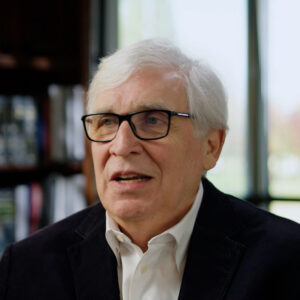 Michael Hackard is the founder of Hackard Law, a California trust and estate litigation firm with more than five decades of experience protecting the inheritance rights of families across Sacramento, the San Francisco Bay Area, and Los Angeles. He is the author of four published books on inheritance protection and has produced more than 1,000 educational videos with over seven million views.