


 (916) 313-3030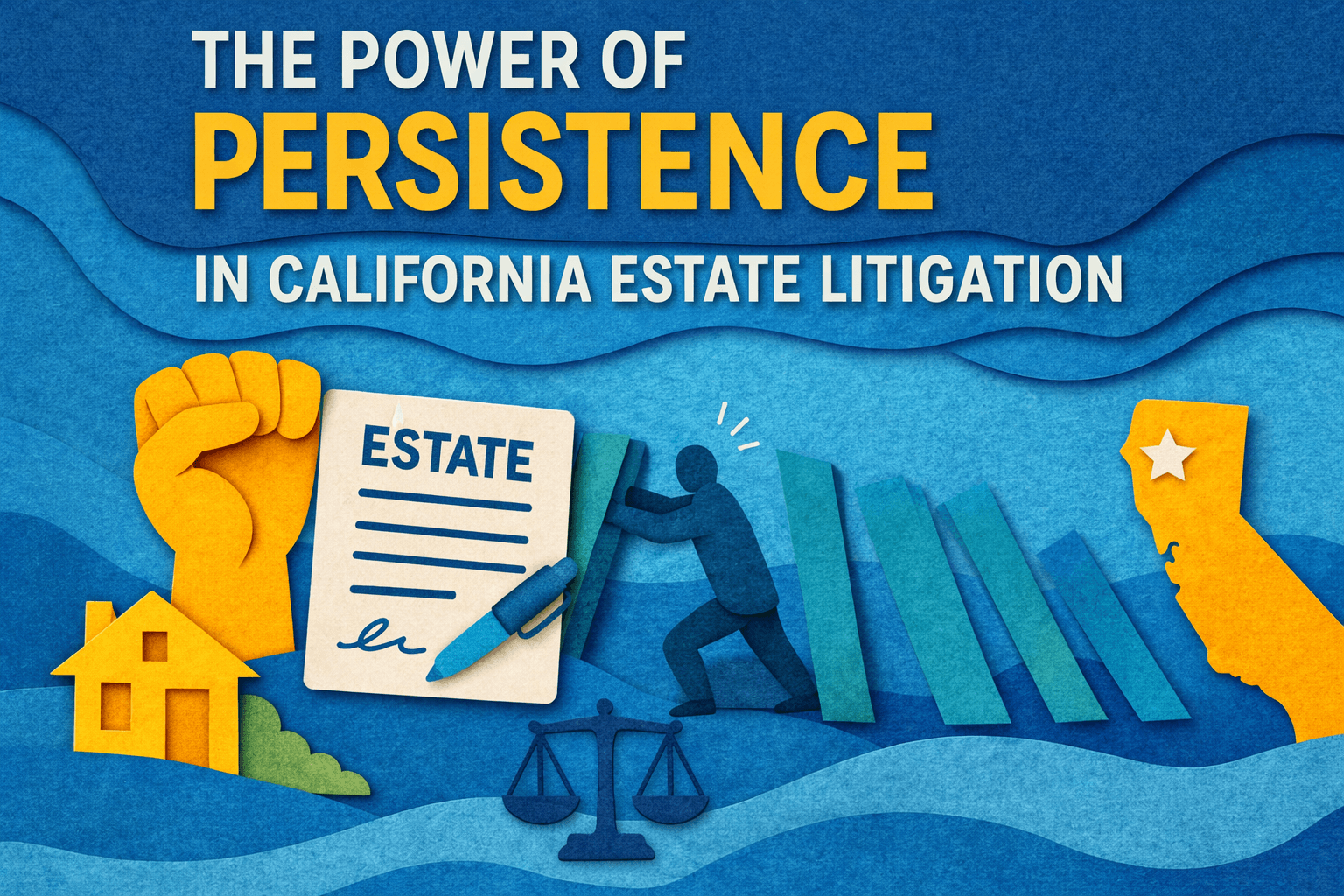
The Power of Persistence in California Estate Litigation

When the Odds Seem Stacked Against You
How many times in our lives do we feel that succeeding in a task before us is against all odds? I am Michael Hackard, founder of Hackard Law, and over more than five decades of litigating trust, estate, and probate disputes across California, I have learned one lesson above all others: persistence matters. From my offices serving Sacramento, the San Francisco Bay Area, and Los Angeles, I have watched families confront situations that appeared hopeless and emerge with justice restored.
I have written four published books on inheritance protection, each one grounded in the real battles families face when a sibling, stepparent, or stranger takes everything through wrongful conduct. I have also produced more than 1,000 educational videos — now with over seven million views — to help heirs, beneficiaries, and elder abuse victims understand their rights and their options. The message I return to again and again is simple: do not lose heart. The task of righting the wrong might seem overwhelming. In fact, it might be overwhelming. But persistence, even in the face of corruption and systemic injustice, is powerful.
Hackard Law provides contingency fee representation, meaning there are no upfront costs for qualified cases. Families facing inheritance theft should not be priced out of justice.
If you believe your inheritance has been wrongfully taken, call Hackard Law at (916) 313-3030 for a free consultation.
Quick Summary
Persistence is the single most underrated asset in California estate litigation. Families who refuse to quit — and who have the right legal team behind them — recover inheritances that others assumed were lost forever.
- Estate litigation often involves power imbalances between heirs, beneficiaries, and elder abuse victims on one side and well-resourced opponents on the other.
- The willingness to persist through discovery, motions, and trial separates successful cases from abandoned ones.
- Contingency fee representation removes the financial barrier that discourages many families from fighting back.
- California law provides strong remedies for inheritance theft, undue influence, and elder financial abuse.
The Parable of the Persistent Widow and Modern Estate Disputes
The parable in Luke’s Gospel tells the story of a poor, powerless widow who demanded justice from a corrupt, powerful judge. She had no money, no status, and no leverage — yet she persisted. The judge eventually granted her request, not because he cared about justice, but because she would not stop asking.
That parable carries a direct message for families caught in estate disputes today. A surviving spouse comes to know that her husband’s trust was secretly changed in favor of a caregiver. Likewise, a disinherited child learns that one of his siblings manipulated a parent during the phase of cognitive decline. In each scenario, the wronged party faces an opponent who controls the assets and the narrative and expects the other side to simply give up.
Persistence to seek rights changes everything. When heirs, beneficiaries, and elder abuse victims refuse to walk away, the opponent has no choice but to respond. Discovery requests force disclosure. Depositions reveal contradictions. Forensic accounting exposes missing funds. None of this happens if a family gives up at the first sign of resistance.
Case Pattern: The Relentless Daughter. A California family discovered that their father’s trust had been rewritten during the final months of his life, diverting the family home and investment accounts to a late-arriving companion. The family was told by multiple sources that nothing could be done. Through persistent litigation, including depositions, financial discovery, and a contested accounting, the trust amendment was ultimately set aside, and the estate was restored to the intended beneficiaries.
Why Families Abandon Estate Claims Too Early
Many families walk away from legitimate estate claims before the legal process has a chance to work. The reasons are predictable: the opponent controls the money, the family is grieving, and the prospect of litigation feels exhausting.
Emotional fatigue is a real factor. Losing a parent or spouse is already devastating. Adding a legal dispute to that grief can feel unbearable. Opponents know this. A common strategy in estate battles is to drag proceedings out, hoping the other side will run out of energy and settle for pennies—or simply disappear.
Financial pressure compounds the problem. Traditional hourly billing forces families to fund litigation out of pocket, and many cannot afford it. This is precisely why contingency fee arrangements exist. When a law firm absorbs the upfront cost and risk, families can afford to persist. Hackard Law has written extensively about how contingency fee representation bridges the gap between families and justice.
There is also the problem of bad advice. Families sometimes consult attorneys who lack experience in trust and estate litigation and are told their case is too difficult. A case that appears impossible to one attorney may be entirely viable to another who understands California Probate Code remedies, undue influence presumptions, and elder financial abuse statutes.
The Art of the Possible in California Estate Litigation
At Hackard Law, the firm handles enough cases in enough places to recognize the art of the possible where others see only the impossible. That perspective comes from decades of trial work across California’s major metropolitan areas.
California law arms families with powerful tools. The undue influence presumption under Probate Code Section 21380 shifts the burden of proof to the person who benefited from a suspicious trust amendment or will change. Elder financial abuse statutes under Welfare and Institutions Code Section 15610.30 allow courts to award double damages and attorney fees. Fraudulent transfer laws let families claw back assets that were improperly moved out of an estate.
The key is knowing which tools to deploy and when. A family facing inheritance theft in California needs an attorney who has litigated these patterns before — someone who recognizes the red flags of isolation, cognitive decline, and last-minute document changes.
Case Pattern: The Stepparent Freeze-Out. After a father’s death, his children from a prior marriage discovered that a stepparent had systematically transferred trust assets into personal accounts over several years. Initial attempts to resolve the matter informally failed. Persistent litigation — including forensic accounting and elder abuse claims — revealed the full scope of the transfers and led to a significant recovery for the children.
Whether a family needs an estate litigation attorney in Los Angeles, Oakland, or Santa Clara, the principle remains the same: persistence backed by legal skill produces results.
Persistence Is a Strategy, Not Just a Feeling
Persistence in estate litigation is not blind stubbornness. It is a deliberate legal strategy built on preparation, evidence, and informed decision-making.
The litigation process itself rewards persistence. Early in a case, the opponent holds most of the information. They controlled the decedent’s finances. They were present when documents were signed. They managed the caregiving relationship. That changes as discovery progresses. Bank records surface. Medical records follow. Attorney-client communications subject to the crime-fraud exception get pulled in. Witness depositions fill the remaining gaps. One by one, the information gap closes and the balance of power shifts.
Families who persist through this discovery phase often reach a tipping point where the opponent’s position becomes untenable. Settlement discussions that went nowhere in month two suddenly become productive in month eight — because the evidence now speaks.
Choosing the right attorney is part of that strategy. Families should look for a firm with a track record in trust and estate litigation, a willingness to take cases on contingency, and the resources to go to trial if necessary. A helpful resource for families starting this process is learning how to choose the right probate lawyer for their situation.
Righting the Wrong: What California Law Provides
California offers some of the strongest legal protections in the country for heirs, beneficiaries, and elder abuse victims who have been wronged in the estate context.
The Probate Code allows courts to invalidate trust amendments and wills procured through undue influence, fraud, or lack of capacity. Courts can remove trustees who breach their fiduciary duties and surcharge them for losses. The elder abuse statutes add teeth by authorizing double damages and mandatory attorney fee awards against abusers.
These remedies exist because the California Legislature recognized that vulnerable people — particularly seniors — need legal protection from those who exploit positions of trust and confidence. But the remedies only work when families invoke them. A statute sitting in a code book does nothing for a family that never files a petition.
That is where persistence comes into play. Filing the petition is the first step. Following through with discovery, motion practice, mediation, and trial preparation is where persistence transforms a claim on paper into a recovery in hand.
Key Definitions
- Undue Influence: Excessive pressure or manipulation that overcomes a person’s free will in creating or amending estate documents, often involving isolation, dependency, and vulnerability.
- Elder Financial Abuse: The wrongful taking, appropriation, or retention of an elder’s property or financial resources, as defined by California Welfare and Institutions Code Section 15610.30.
- Contingency Fee Representation: A fee arrangement where the attorney is paid a percentage of the recovery rather than hourly fees, eliminating upfront costs for the client.
- Fiduciary Duty: The legal obligation of a trustee, executor, or agent to act in the best interests of the beneficiaries, with loyalty, transparency, and prudence.
- Trust Amendment: A modification to the terms of a revocable living trust, which can be challenged if procured through fraud, undue influence, or lack of capacity.
- Forensic Accounting: A detailed financial investigation used to trace missing assets, identify unauthorized transfers, and quantify losses in estate disputes.
- Surcharge: A court-ordered financial penalty imposed on a trustee or executor who has breached fiduciary duties, requiring them to personally repay losses to the estate.
- Double Damages: A remedy available under California’s elder abuse statutes that allows courts to award twice the actual damages suffered by the victim.
What to Do Next
- Gather and preserve every estate planning document you can access. That means trusts, wills, amendments, and powers of attorney.
- Request a formal trust accounting from the trustee if one has not been provided.
- Document any signs of undue influence, isolation, or cognitive decline you observed before the decedent’s death.
- Collect financial records showing unusual transactions, large withdrawals, or asset transfers during the decedent’s final years.
- Do not sign any settlement agreements or releases without first consulting a trust litigation attorney.
- Research your rights as a California beneficiary — understanding the legal process empowers better decisions.
- Act promptly, as California imposes statutes of limitations on trust contests, will contests, and elder abuse claims.
- Contact Hackard Law at (916) 313-3030 to discuss your case and determine whether contingency fee representation is available.
If you have a possible estate litigation case where success feels against all odds, call Hackard Law today at (916) 313-3030.
CALL THE SAGE | When Experience Matters, Families Listen
📚 50 years California trust, estate & elder financial abuse litigation
⚖️ We represent heirs, beneficiaries, and elder abuse victims
🎥 1,000+ educational videos | 7 million+ views | 4 published books
🎯 “After thousands of cases, I see the pattern others miss.”
CONTINGENCY REPRESENTATION — No Win, No Fee
Throughout California: Sacramento | Los Angeles | Bay Area
📞 CALL THE SAGE: (916) 313-3030
Subscribe for weekly insights on:
- Elder financial abuse warning signs and prevention
- Trust and estate litigation strategies
- Inheritance protection for California families
- Family protection strategies
When your inheritance is under attack, Call The Sage.
Hackard Law | 10640 Mather Blvd, Mather CA 95655
Attorney Advertisement | Michael Hackard, State Bar #71067
RELATED VIDEOS
Against All Odds: The Power of Hope in Estate Litigation
This video directly mirrors the blog’s core theme of persisting against overwhelming odds in estate litigation — essentially a companion video to this post.
Victor or Victim | Attitude Counts in Estate Litigation
Directly complements the blog’s persistence-as-strategy theme, reinforcing that attitude and determination — not just legal tools — determine who wins estate disputes.
Love, Loss & Litigation: How Grief Fuels Estate Disputes | Michael Hackard
The blog explicitly discusses emotional fatigue and grief as reasons families abandon legitimate claims too early — this video speaks directly to that dynamic.
How Do I Know If I Need an Estate Litigation Lawyer? | Hackard Law Estate Litigation FAQ
It directly supports the blog’s call-to-action sections encouraging families to consult an attorney even when a case feels hopeless.
Estate & Trust Battles | Litigation is War
The blog directly references the strategy of dragging out proceedings to break down the other side — this video expands on that exact litigation dynamic.
Uncovering Hidden Assets in Estate Litigation: Tools, Tactics, and Court Orders
The blog highlights forensic accounting and financial discovery as key persistence payoffs — this video provides a deeper look at exactly those tools families gain access to by staying in the fight.
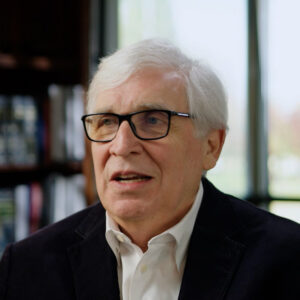 Michael Hackard is the founder of Hackard Law, a California trust and estate litigation firm with more than five decades of experience protecting the inheritance rights of families across Sacramento, the San Francisco Bay Area, and Los Angeles. He is the author of four published books on inheritance protection and has produced more than 1,000 educational videos with over seven million views.