Introduction: Decades of Protecting Sacramento Families
I am Michael Hackard, founder of Hackard Law. For more than five decades, I have represented heirs, beneficiaries, and elder abuse victims in trust and estate litigation across California. My firm serves families in Sacramento, the San Francisco Bay Area, and Los Angeles, and I have dedicated my career to ensuring that rightful inheritances reach the people they were intended for.
Over the years, I have authored four published books on inheritance protection, each one designed to educate families about the risks they face when a trust, will, or estate plan is compromised by fraud, undue influence, or fiduciary misconduct. I have also produced more than 1,000 educational videos, which have now accumulated over seven million views. These resources reflect my commitment to making trust and estate litigation understandable and accessible to every family that needs help.
Sacramento remains the heart of my practice. Families here face the same inheritance threats that families face statewide — dishonest trustees, manipulative caregivers, and late-in-life document changes that strip away what parents and grandparents intended to leave behind.
Hackard Law provides contingency fee representation for qualified cases, which means families pay no upfront legal costs to pursue the inheritance they deserve.
If your family is facing a trust or estate dispute in Sacramento, call Hackard Law at (916) 313-3030 for a consultation.
Quick Summary: Sacramento Trust and Estate Litigation
Sacramento families frequently face disputes over trusts, wills, and estate plans when a loved one passes away or becomes incapacitated. Hackard Law litigates these cases aggressively, drawing on decades of courtroom experience. Understanding the landscape of trust and estate litigation helps families act quickly and protect their rights.
Trust contests involving last-minute amendments, undue influence, or lack of capacity
Trustee misconduct, including self-dealing, failure to account, and delayed distributions
Elder financial abuse committed by caregivers, family members, or other individuals in positions of trust
Will contests based on fraud, forgery, or coercion
Breach of fiduciary duty claims against trustees and executors who fail to act in the beneficiaries’ interests.
Why Trust and Estate Disputes Arise in Sacramento
Sacramento County is home to a large and growing population of retirees and aging homeowners. Many of these individuals hold significant wealth in real estate, retirement accounts, and family trusts. When cognitive decline sets in — or when an opportunistic individual gains access to a vulnerable person — the risk of estate manipulation increases dramatically.
Hackard Law litigates cases where trust documents are changed under suspicious circumstances, where trustees fail to distribute assets as required, and where elder financial abuse drains an estate before beneficiaries ever learn what happened. These disputes often involve family members who were shut out of the process entirely.
The Sacramento County Superior Court handles a significant volume of probate and trust litigation. Families who bring claims in this court need attorneys who understand the procedural requirements, the evidentiary standards, and the strategies that lead to favourable outcomes.
Case Pattern: The Late-Night Trust Amendment
A Sacramento family discovered that their elderly parents’ trust had been amended just weeks before death. The amendment removed three of four children as beneficiaries and left the entire estate to one sibling who had moved into the home as a caregiver. The family pursued a trust contest in Sacramento and presented evidence of isolation, dependency, and undue influence. The amendment was ultimately set aside.
Trustee Misconduct and Fiduciary Accountability
A trustee holds a position of enormous responsibility. California law imposes strict fiduciary duties on every trustee, including the duty of loyalty, the duty to account, and the duty to distribute assets according to the terms of the trust. When a trustee violates these duties, beneficiaries have the right to take legal action.
Michael Hackard identifies trustee misconduct as one of the most common drivers of trust litigation. Trustees who delay distributions, refuse to provide accountings, or use trust assets for personal benefit expose themselves to serious legal consequences. Courts can remove a trustee, surcharge them for losses, and in some cases award double damages under California’s elder abuse statutes.
Families should not wait to act when they suspect a trustee is mismanaging or looting an estate. The longer misconduct continues, the harder it becomes to recover assets. Understanding the stages of trust and estate litigationhelps families prepare for what lies ahead.
Elder Financial Abuse: A Growing Threat in Sacramento
Elder financial abuse is one of the fastest-growing categories of civil litigation in California. Sacramento families are not immune. Hackard Law represents heirs, beneficiaries, and elder abuse victims who have seen estates decimated by individuals who took advantage of a vulnerable senior.
California’s Elder Abuse Act provides powerful remedies for victims and their families. Successful claims can result in the recovery of stolen assets, double damages, and attorney fees. These remedies exist because the legislature recognized that financial exploitation of seniors is a serious public policy concern.
Common patterns include a caregiver who isolates a senior from family, a new romantic partner who pressures changes to estate documents, or a family member who uses a power of attorney to drain bank accounts. In every case, the key is identifying the abuse early and taking decisive legal action.
Case Pattern: The Caregiver Who Became the Beneficiary
An elderly Sacramento resident hired a caregiver who gradually took control of the household finances. Over a two-year period, the caregiver arranged for new trust documents naming herself as the primary beneficiary. The family discovered the changes only after the elder’s death. Hackard Law pursued claims under both trust contest and elder financial abuse theories, and the family recovered the estate assets that had been diverted. Families can learn about the most common probate and trust battles to better recognize warning signs.
The Role of Contingency Fee Representation
Many families cannot afford to pay hourly legal fees in a trust or estate dispute, especially when the very assets they are fighting over have been taken from them. Hackard Law addresses this barrier by offering contingency fee representation for qualified cases.
Contingency fee representation means the client pays no upfront legal costs. The firm advances the expenses of litigation and is compensated only if the case results in a recovery. This model levels the playing field and allows families to pursue meritorious claims regardless of their current financial situation.
Michael Hackard has long advocated for broader access to contingency fee representation in trust litigation. Too many families abandon valid claims simply because they cannot afford an hourly retainer. Contingency representation ensures that the strength of a case — not the size of a family’s bank account — determines whether justice is pursued.
Hackard Law’s AV Preeminent Rating and Recognition
Martindale-Hubbell has awarded Michael Hackard its AV Preeminent rating, the highest designation available for legal ability and ethical standards. This peer-reviewed rating reflects the judgment of other attorneys and judges who have observed Hackard’s work over decades of practice.
Recognition matters because it signals to families that they are working with a firm that has earned the respect of the legal community. Hackard Law has also been recognized for its work in trust and estate litigation across California, including Sacramento County, where the firm has deep roots and an extensive track record.
Families navigating Sacramento County probate litigationdeserve representation from a firm with a proven history of results and a reputation for integrity.
Key Definitions in Trust and Estate Litigation
Trust Contest: A legal action challenging the validity of a trust or trust amendment, often based on undue influence, lack of capacity, or fraud
Undue Influence: Excessive pressure or manipulation that overcomes a person’s free will and causes them to change estate documents against their true wishes
Fiduciary Duty: The legal obligation of a trustee or executor to act in the best interest of beneficiaries, including duties of loyalty, care, and full disclosure
Elder Financial Abuse: The wrongful taking or misuse of a senior’s financial resources by someone in a position of trust or authority
Surcharge: A court-ordered financial penalty imposed on a trustee who has breached fiduciary duties, requiring the trustee to repay losses to the trust
Contingency Fee: A fee arrangement in which the attorney is paid only if the case results in a recovery, eliminating upfront costs for the client
Accounting: A formal report that a trustee must provide to beneficiaries detailing all trust transactions, assets, and distributions
AV Preeminent Rating: The highest peer-reviewed rating from Martindale-Hubbell, reflecting top-tier legal ability and ethical standards
What to Do Next If You Suspect a Trust or Estate Problem
Gather all trust documents, amendments, and correspondence you can access
Note any changes in the elder’s behaviour, isolation from family, or new individuals who gained influence.
Request a formal accounting from the trustee if distributions have been delayed or denied.
Document any evidence of financial transactions that appear unauthorized or suspicious.
Consult with a trust and estate litigation attorney who handles cases on a contingency fee basis.
The most common reason is a dispute over late-in-life changes to a trust, often involving allegations of undue influence or lack of mental capacity. Families frequently discover that a trust was amended shortly before a parent’s death, sometimes under the direction of a caregiver or one favored child. These cases require prompt investigation and decisive legal action.
Yes. California law allows individuals who would have been beneficiaries under a prior version of a trust to challenge amendments that removed them. Grounds for a challenge include undue influence, fraud, forgery, and lack of testamentary capacity. Hackard Law evaluates these cases and pursues them oncontingency when the facts support a claim.
Timelines vary depending on the complexity of the case and the willingness of the parties to resolve the dispute. Some cases settle within months through mediation. Others proceed to trial and can take a year or more. Hackard Law works to move cases efficiently while protecting the client’s interests at every stage.
California’s Elder Abuse Act provides for the recovery of the property taken, double damages in certain circumstances, and attorney fees. These enhanced remedies make elder financial abuse claims a powerful tool for families seeking to recover assets that were stolen from a vulnerable senior.
Yes. While Sacramento is the firm’s home base, Hackard Law represents families across California, including the San Francisco Bay Area and Los Angeles. The firm handles trust and estate litigation in courts throughout the state.
About the Author
Michael Hackard is the founder of Hackard Law, a California trust and estate litigation firm with more than five decades of experience protecting the inheritance rights of families across Sacramento, the San Francisco Bay Area, and Los Angeles. He is the author of four published books on inheritance protection and has produced more than 1,000 educational videos with over seven million views.



 (916) 313-3030

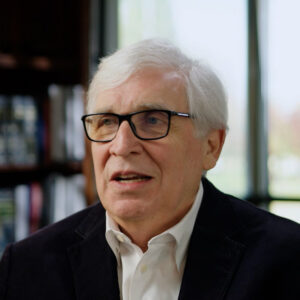 Michael Hackard is the founder of Hackard Law, a California trust and estate litigation firm with more than five decades of experience protecting the inheritance rights of families across Sacramento, the San Francisco Bay Area, and Los Angeles. He is the author of four published books on inheritance protection and has produced more than 1,000 educational videos with over seven million views.