


 (916) 313-3030
Income Trust Disputes in California: When Trustees Fail Life Beneficiaries

When the Trust Stops Working for the Beneficiary
I’m Michael Hackard, founder of Hackard Law. Over five decades of practice, I have fought alongside families who felt abandoned by the very legal structures their loved ones built to protect them. I have written four published books on inheritance protection and produced more than 1,000 educational videos, which have reached over 7 million viewers. That body of work reflects one constant: families deserve to know their rights, especially when a trustee is failing them.
The cases that move me most are those involving income beneficiaries – often a surviving spouse or a disabled adult child – who receive little or nothing from a trust that holds hundreds of thousands, sometimes millions, in assets. I see this pattern in courts throughout California, including the San Francisco Bay Area, Santa Clara County, Alameda County, Sacramento, and Los Angeles. The frustration, humiliation, and sense of abandonment these beneficiaries describe are real and legally actionable.
Hackard Law provides contingency fee representation for qualified cases – no upfront costs to you. If you believe a trustee is failing you, call us today at (916) 313-3030.
Quick Summary
California income trusts are designed to provide regular distributions to a life beneficiary, yet trustees frequently fail in this duty – either through self-interested investing, neglect of the beneficiary’s needs, or outright indifference.
- Income trusts direct a trustee to distribute interest and dividends to a life beneficiary, often for the remainder of that person’s life.
- Trustees hold discretionary power to distribute principal for health, education, maintenance, and support – but many never ask about the beneficiary’s actual circumstances.
- Trustees must invest for total returns, balancing income and capital appreciation, according to California’s Uniform Prudent Investor Act.
Unitrusts provide a structured solution by giving the income beneficiary an annual distribution of a predetermined percentage of trust assets.
If beneficiaries receive insufficient distributions, they may file a breach of duty lawsuit against the trustee.
How Income Trusts Are Supposed to Work
California trust and estate planning attorneys have long drafted income trusts that direct a trustee to distribute interest and dividends to a named beneficiary – typically for the duration of that person’s life. These are called life beneficiaries. When that beneficiary dies, whatever principal remains passes to the remainder beneficiaries, often children or grandchildren.
Most income trusts also give the trustee discretionary power to distribute principal to the life beneficiary when circumstances warrant. That discretion is typically guided by the beneficiary’s needs for health, education, maintenance, or support. The intent behind these trusts is clear: the grantor – a parent, a spouse – wanted their loved one to be cared for. The trustee’s job is to honor that intent.
You can read more about how poor drafting by an estate planning lawyer leads to courtroom battles – because even well-intentioned trusts can create conflict when their terms are ambiguous, or their trustees are ill-equipped.
Where Trustees Go Wrong
The most common failure I encounter is a trustee who invests entirely for the benefit of the remainder beneficiaries – choosing growth stocks that pay no dividends – while the life beneficiary receives almost nothing. The opposite failure is equally harmful: a trustee who maximizes income distributions at the expense of long-term growth, exposing the trust to excessive risk.
Both extremes reflect a trustee who is not honoring the duty of loyalty owed to all beneficiaries. A trustee who charges 1% to 2% of the annual fair market value of trust assets in fees – while distributing barely 1% in income to the life beneficiary, is prioritizing their own compensation over the beneficiary’s welfare. I find this conduct indefensible.
Additionally, there is the failure of inquiry. If trustees never inquire about the beneficiary’s circumstances, they will not be able to use their discretionary authority to allocate principal for health, education, maintenance, and support in a responsible manner. Many people don’t ask. While a life beneficiary faces difficulties, they sit on assets.
Case Pattern: A surviving spouse and income beneficiary in the Bay Area received no principal distributions for three years despite documented medical expenses. The trustee – a corporate institution – had made no inquiry into her circumstances. After litigation, the trustee was compelled to account for all distributions and fees, and the beneficiary received a substantial recovery.
California’s Prudent Investor Rule and the Unitrust Solution
California’s Uniform Prudent Investor Act governs how trustees must manage trust assets. The law requires trustees to invest for total returns – meaning the combination of ordinary income (interest and dividends) and capital appreciation. A trustee cannot lawfully ignore one at the expense of the other.
A workable solution to the conflict between income and remainder beneficiaries is provided by the unitrust structure. Under California law, a court order or the parties’ agreement may convert an income trust into a unitrust. With a unitrust, the trustee distributes a fixed percentage – typically 3% to 5% – of the fair market value of trust principal to the income beneficiary each year. The trust’s net asset value is recalculated at least annually.
With this strategy, the trustee can invest for total returns without depriving the life beneficiary. Additionally, it allows the trustee to sell capital assets as needed to fund the annual distribution. Understanding the unitrust option can be the first step towards resolving conflicts between families over the administration of income trusts.
For Bay Area families navigating these disputes, Alameda County estate litigation and Santa Clara estate litigation are areas where Hackard Law actively represents clients.
Case Pattern: An adult daughter serving as trustee of her late father’s trust invested exclusively in low-yield bonds, producing minimal income for the life beneficiary – her stepmother – while preserving principal for herself as remainder beneficiary. A court-ordered conversion to a unitrust structure resolved the conflict and restored fair distributions.
Trustee Liability for Discretionary Failures
When a trustee holds discretionary power to distribute principal but refuses to exercise it – or exercises it arbitrarily – California courts may find that the trustee abused its discretion. This is a recognized basis for legal liability. A trustee is not free to simply sit on its authority while a life beneficiary goes without.
Trustees who fail to investigate a beneficiary’s health, financial status, or support requirements are subject to the same rule. Discretion must be used, not disregarded. Courts have the power to compel distributions and surcharge the trustee if they fail to fulfill their fiduciary duty. Or they can remove the trustee entirely.
Hackard Law litigates these cases in the probate and civil superior courts of California’s largest urban counties, including Alameda, Contra Costa, Santa Clara, San Mateo, Los Angeles, Orange, and Sacramento. Our contingency fee representation means that qualifying clients pay nothing upfront – we are paid only when we recover for you.
For decades, I have stood with families who felt powerless against corporate trustees and institutional indifference. I have seen the financial toll grow while trustees collect fees and beneficiaries go without. Discovery, forensic analysis, and the pursuit of accountability – these are not just legal strategies, but safeguards for families who trusted that the law would protect them. A steadfast commitment to truth restores what institutional neglect tried to take away.
Key Definitions
- Income trust: A trust that directs the trustee to distribute interest and dividends to a named life beneficiary for a set period, often the beneficiary’s lifetime.
- Life beneficiary: The person entitled to receive income distributions from a trust during their lifetime.
- Remainder beneficiary: The person or class of persons who receive the trust’s remaining assets after the life beneficiary dies.
- Discretionary distribution: A trustee’s authority to distribute principal to a beneficiary based on an assessment of that beneficiary’s needs.
- HEMS standard: Health, education, maintenance, and support – the standard most commonly used to guide trustee discretion in principal distributions.
- Total return: The combined investment return from both ordinary income (interest, dividends) and capital appreciation.
- Uniform Prudent Investor Act: California’s statutory framework requiring trustees to invest for total returns and manage risk appropriately across the entire trust portfolio.
- Unitrust: A trust structure that distributes a fixed percentage of the trust’s annual fair market value to the income beneficiary, allowing investment for total returns.
- Breach of fiduciary duty: A trustee’s failure to act in accordance with the legal obligations owed to beneficiaries, including duties of loyalty, care, and impartiality.
- Surcharge: A court-ordered remedy requiring a trustee to personally compensate beneficiaries for losses caused by the trustee’s misconduct or negligence.
What to Do Next
- Look for patterns of neglect – has the trustee ever asked about your health, finances, or support needs before making distribution decisions?
- Get copies of all trust accountings, trustee fee statements, and investment reports as soon as possible.
- If you don’t have legal counsel, try to avoid confronting the trustee directly, as this could make your case more difficult.
- Find out if the trust can be converted to a unitrust structure, which could settle the income dispute without going to court.
- Get a clear picture of what the trust actually holds – total assets, investment allocations, and annual income generated.
- Look for evidence that the trustee has favored remainder beneficiaries over your interests as a life beneficiary.
- Try to document your health, financial, and support needs in writing, as this strengthens any claim for discretionary principal distributions.
- Review the top 10 most common probate, trust, and estate battles to understand how income trust disputes fit into the broader landscape of trust litigation.
- Learn how to choose the right probate lawyer before committing to representation.
- Call Hackard Law at (916) 313-3030 to discuss your situation with an attorney who handles these cases throughout California, including the Bay Area and Santa Clara County.
- You can also reach us through our contact page to request a consultation.
CALL THE SAGE | When Experience Matters, Families Listen
🏛️ We practice California trust & estate & elder financial abuse litigation
⚖️ We represent heirs, beneficiaries, and elder abuse victims
🎥 1,000+ educational videos | 7 million+ views | 4 published books
🎯 “After thousands of cases, I see the pattern others miss.”
CONTINGENCY REPRESENTATION – No Win, No Fee
Throughout California: Sacramento | Los Angeles | Bay Area
📞 CALL THE SAGE: (916) 313-3030
Subscribe for weekly insights on:
- Elder financial abuse warning signs and prevention
- Trust and estate litigation strategies
- Inheritance protection for California families
- Family protection strategies
When your inheritance is under attack, Call The Sage.
Hackard Law | 10640 Mather Blvd, Mather CA 95655
Attorney Advertisement | Michael Hackard, State Bar #71067
RELATED VIDEOS
Income Beneficiary Trust & Estate Challenges | California
Explores the legal challenges California income beneficiaries face when trustees fall short.
Frustrated Trust Beneficiaries | When the Trustee Says Nothing at All
Addresses what beneficiaries can do when trustees go silent and stop communicating.
LA Trust Beneficiaries | Lawsuits Against Bad Trustees
Walks through how beneficiaries in Los Angeles can sue trustees who breach their duties.
Fair and Equitable Distributions to Trust Beneficiaries | Shattered Expectations
Examines what happens when trust distributions fall far short of a beneficiary’s expectations.
Gravy Train Trustees | California Trust Litigation
Looks at trustees who enrich themselves while neglecting the beneficiaries they are meant to serve.
Trust Distribution for Beneficiaries | Contingency Attorney
Explains how a contingency fee attorney can help beneficiaries fight for proper trust distributions.
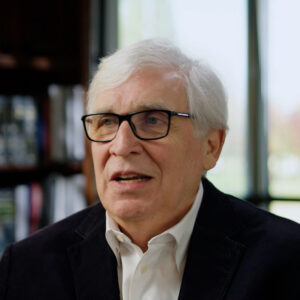 Michael Hackard is the founder of Hackard Law, a California trust and estate litigation firm with more than five decades of experience protecting the inheritance rights of families across Sacramento, the San Francisco Bay Area, and Los Angeles. He is the author of four published books on inheritance protection and has produced more than 1,000 educational videos with over seven million views.