


 (916) 313-3030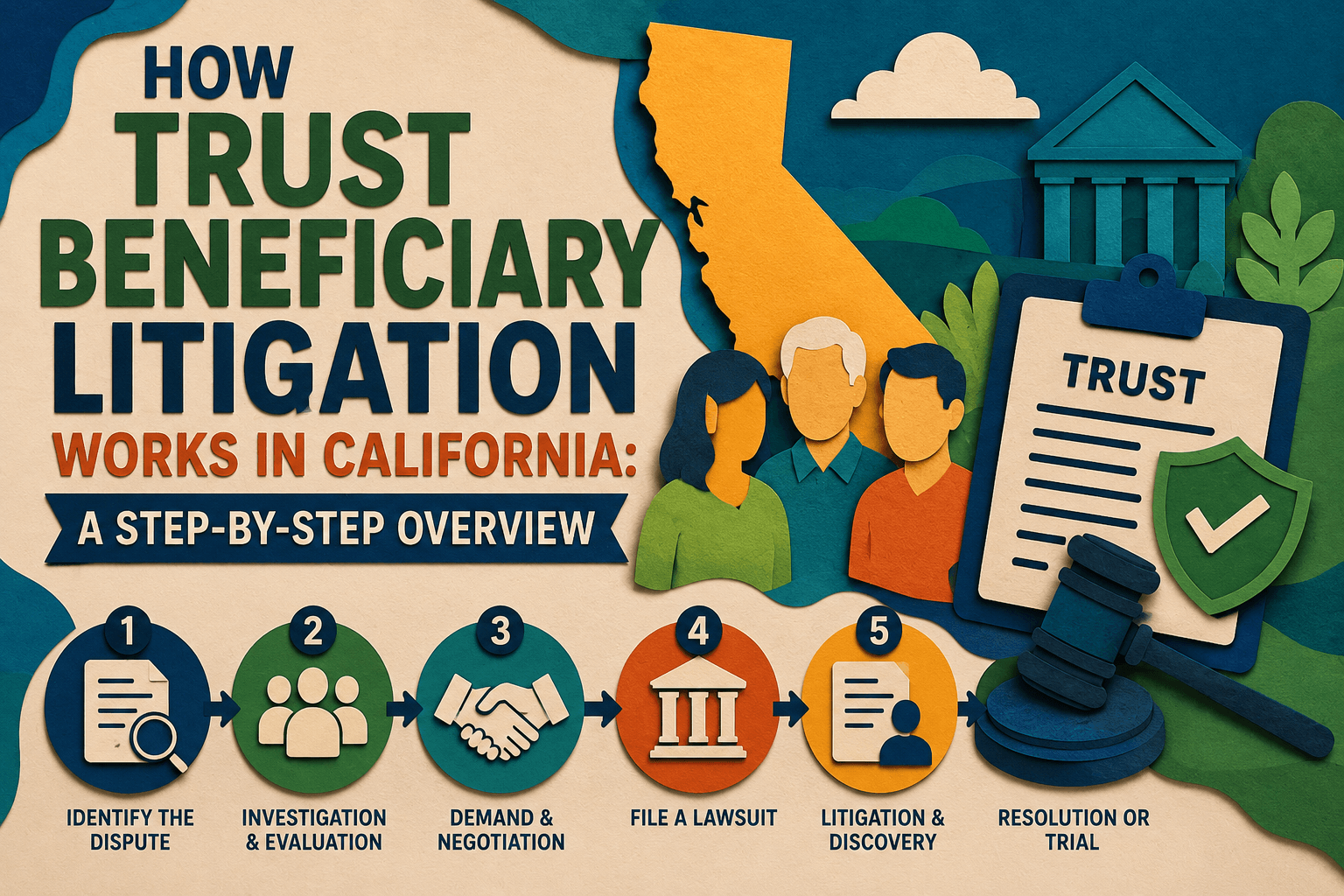
How Trust Beneficiary Litigation Works in California: A Step-by-Step Overview
What Families Need to Know Before Filing
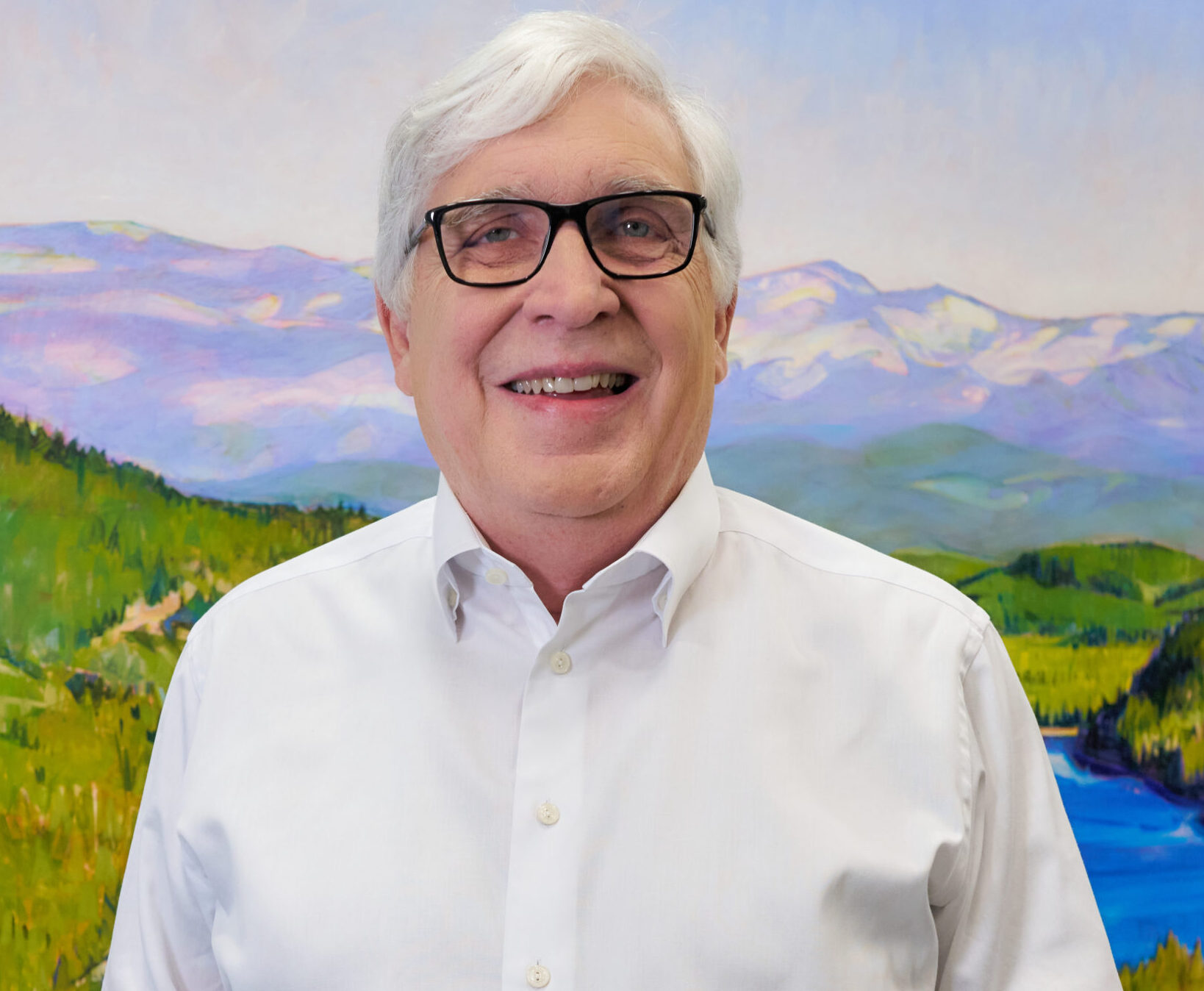
I’m Michael Hackard, founder of Hackard Law. Over my five decades of practice, I have fought for heirs, beneficiaries, and elder abuse victims across California – from Sacramento and the San Francisco Bay Area to Los Angeles. I have authored four published books on inheritance protection and produced more than 1,000 educational videos that have reached over seven million viewers. That reach matters to me because families facing trust disputes often feel lost before they ever speak to an attorney. My goal is to change that.
Trust beneficiary litigation is messy. I say that not to discourage anyone, but because honesty is the foundation of every client relationship I build. Messy does not mean impossible. It means the work is real, the stakes are high, and preparation is everything.
Hackard Law provides contingency fee representation for qualified cases – no upfront costs required. To speak with us about your situation, call (916) 313-3030.
Quick Summary
California trust litigation follows a structured process, but every case carries its own facts and challenges. Understanding the general framework helps beneficiaries and trustees know what to expect from the first meeting through trial or settlement.
- Standing must be established before any legal action – trustee, beneficiary, or disinherited beneficiary.
- Fee agreements are negotiated early and can be hourly, contingency, or a combination.
- Discovery is broad and includes family witnesses, medical records, and public documents.
- Most cases settle; some go to trial depending on court availability and the parties’ decisions.
- Costs – separate from attorney fees – include filing fees, investigators, and mediator fees
Who Has the Right to Sue: Understanding Standing
The first question in any trust dispute is deceptively simple: who has the legal right to bring this case? In California trust litigation, that question is answered by the concept of standing. Hackard Law identifies three primary parties who typically hold standing: the trustee, a named beneficiary, and a disinherited beneficiary.
A disinherited beneficiary – someone who expected to inherit but was cut out of a trust – may have strong grounds to challenge the document, particularly when undue influence or fraud is involved. Standing is not automatic, and getting this right at the outset shapes every decision that follows.
For families navigating these early questions, understanding what California beneficiaries can do when a trustee delays distributions is an important starting point.
Fee Agreements and Costs: What to Expect
No case moves forward at Hackard Law without a signed fee agreement. That is not a formality – it is a commitment to transparency. Fee structures are negotiable. Some cases are handled on an hourly basis, others on a contingency basis, and many involve a combination of both, depending on the facts and the likely recovery.
Attorney fees and costs are two different topics. Court filing fees, document retrieval, subpoena costs, investigator fees, professional record review, and, if the case goes to trial, jury and mediator fees are all associated with trust litigation. Before filing a lawsuit, families should be aware of these figures.
For a deeper look at how contingency arrangements work in trust cases, this overview of contingency fee representation explains the structure and what it means for clients who cannot afford hourly billing.
Case Pattern: After learning that a sibling had been appointed sole trustee and had started moving trust assets to personal accounts, a beneficiary contacted Hackard Law. The family didn’t have the money for hourly legal representation. The case was able to move forward thanks to a contingency arrangement, and a negotiated settlement eventually restored the trust assets.
Discovery: Building the Record
Once a fee agreement is signed and a complaint, petition, or ex parte motion is filed, discovery begins. This is where cases are won or lost. Hackard Law pursues all available channels: depositions of family members and witnesses, subpoenas for financial records, medical records that may reveal cognitive decline or vulnerability, and public records that can expose undisclosed transactions.
Discovery in trust litigation is not a checklist exercise. It is an investigative process that requires judgment about which threads to pull and which documents tell the real story. The financial trail left by a bad actor rarely disappears entirely – it just takes skilled litigation to surface it.
Families dealing with potential elder financial abuse should also understand the resources available through Hackard Law’s elder financial abuse practice, which addresses the overlap between cognitive vulnerability and trust manipulation.
Case Pattern: Medical records obtained through discovery in a case involving an elderly settlor with progressive memory loss showed that the trust had been modified while the settlor was incapable of making decisions. A successful challenge to the amended document was based on that evidence.
Settlement Conferences, Mediation, and Trial
California courts require a mandatory settlement conference in most civil cases, and trust litigation is no exception. Voluntary mediation often occurs around the same time – sometimes before the conference, sometimes shortly after. Hackard Law approaches mediation as a serious strategic tool, not a procedural box to check. Estate and trust mediation can resolve disputes faster and with more certainty than a trial, and the parties retain control over the outcome.
The majority of cases do settle. The strength of the evidence, the parties’ willingness to negotiate, and the practicality of court availability all play a role in the decision to settle or go to trial. Trial dates in California can be months or years away, and every family’s calculations are greatly impacted by that delay.
When settlement is not possible, Hackard Law prepares for trial with the same care as discovery. To create a compelling case in court, the firm employs mock jury exercises, skilled attorney preparation, and careful document organization. The idea that a strong commitment to truth restores what dishonesty attempted to steal serves as the foundation for every court appearance.
Key Definitions
- Standing: The legal right of a party – trustee, beneficiary, or disinherited heir – to bring or defend a trust dispute in court.
- Trustee: The person or institution responsible for managing trust assets according to the trust document and California law.
- Beneficiary: An individual named in a trust to receive assets or income, either currently or upon a future event.
- Disinherited beneficiary: A person who had a reasonable expectation of inheriting but was excluded from a trust, often a basis for legal challenge.
- Contingency fee: A fee arrangement in which the attorney is paid only if the case results in a recovery, with no upfront cost to the client.
- Costs: Litigation expenses separate from attorney fees, including filing fees, subpoenas, investigators, and mediator charges.
- Discovery: The pre-trial process of gathering evidence through depositions, document requests, subpoenas, and interrogatories.
- Ex parte motion: An emergency court application filed by one party without advance notice to the other side, used when immediate relief is needed.
- Mandatory settlement conference: A court-ordered meeting at which parties and their attorneys attempt to resolve the case before trial.
- Mediation: A voluntary, confidential process in which a neutral third party helps the parties negotiate a resolution outside of court.
What to Do Next
- Look for any trust documents, amendments, or estate planning records you can locate and keep them in a safe place.
- Get copies of recent financial statements for accounts connected to the trust if you have access.
- Write down a timeline of events – changes in the settlor’s behavior, new people in their life, unusual transactions – while the details are fresh.
- Try to avoid confronting the trustee or other parties directly before speaking with an attorney, as statements can affect your case.
- Look into whether your situation involves elder financial abuse, which carries additional remedies under California law.
- Try to gather names and contact information for witnesses who observed the settlor’s condition or the trustee’s conduct.
- Review what California beneficiaries need to know about their rights before your first attorney consultation.
- Get a sense of the litigation process by reading about common probate and trust battles in California.
- Call Hackard Law at (916) 313-3030 to discuss your case in a confidential consultation.
- Reach out through our contact page to schedule a time to speak with our team.
CALL THE SAGE | When Experience Matters, Families Listen
🏛️ We practice California trust & estate & elder financial abuse litigation
⚖️ We represent heirs, beneficiaries, and elder abuse victims
🎥 1,000+ educational videos | 7 million+ views | 4 published books
🎯 “After thousands of cases, I see the pattern others miss.”
CONTINGENCY REPRESENTATION – No Win, No Fee
Throughout California: Sacramento | Los Angeles | Bay Area
📞 CALL THE SAGE: (916) 313-3030
Subscribe for weekly insights on:
- Elder financial abuse warning signs and prevention
- Trust and estate litigation strategies
- Inheritance protection for California families
- Family protection strategies
When your inheritance is under attack, Call The Sage.
Hackard Law | 10640 Mather Blvd, Mather CA 95655
Attorney Advertisement | Michael Hackard, State Bar #71067
RELATED VIDEOS
Anatomy of Trust Litigation | Protecting Beneficiaries
Walks through the structure of a trust litigation case from start to finish.
Do I Have Standing for a Trust Contest? | Trust Litigation Attorney
Explains who legally qualifies to bring a trust contest in California.
Were You Unfairly Cut Out of a Trust? | Know Your Rights as a Disadvantaged Beneficiary
Covers options available to beneficiaries who were unexpectedly removed from a trust.
5 Key Tips on Trust Mediation & Settlement | CA Estate & Trust Litigation Attorney
Shares practical advice on navigating mediation and reaching a trust settlement.
Trust Beneficiary Litigation | Our Client’s First Call
Describes what families can expect when they first reach out about a trust dispute.
What Are Common Acts of Fraud in Trust or Probate? | California Estate Litigation Attorney
Identifies the most frequent forms of fraud that arise in California trust and probate cases.
 Michael Hackard is the founder of Hackard Law, a California trust and estate litigation firm with more than five decades of experience protecting the inheritance rights of families across Sacramento, the San Francisco Bay Area, and Los Angeles. He is the author of four published books on inheritance protection and has produced more than 1,000 educational videos with over seven million views.