


 (916) 313-3030
How to Find an Estate Litigation Lawyer Near Me in Sacramento
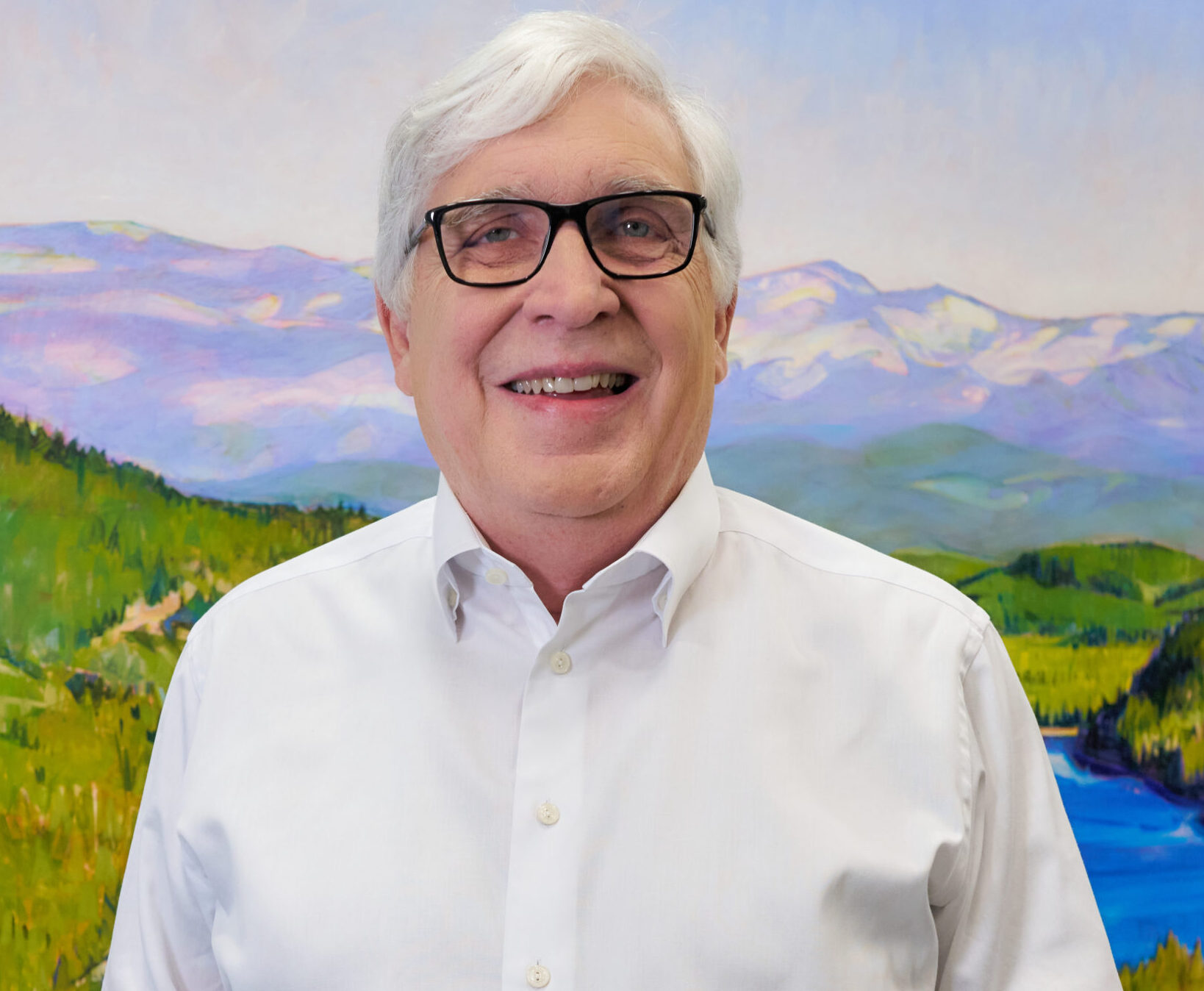
When a trust or estate dispute erupts, families often ask the same urgent question: how do I find an estate litigation lawyer near me? I am Michael Hackard, founder of Hackard Law, and I have spent more than five decades litigating trust, estate, and probate disputes on behalf of heirs, beneficiaries, and elder abuse victims across California. I am the author of four published books on inheritance protection, and I have produced 1,000 educational videos that have earned over seven million views.
Families in Sacramento, throughout the San Francisco Bay Area, and across Los Angeles turn to Hackard Law when inheritances are threatened by fraud, undue influence, or trustee misconduct. Over the course of my career, I have learned that finding the right attorney is not about geographic proximity alone. It is about finding a litigator who understands probate court, knows the substantive law, and has the trial experience to protect your family’s rights.
Hackard Law provides contingency fee representation, meaning qualified cases require no upfront costs. Families pay nothing unless and until their case succeeds.
If you believe your inheritance rights are at risk, call Hackard Law at (916) 313-3030 for a consultation.
Quick Summary: What You Need to Know
Finding an estate litigation lawyer involves more than just searching for the closest office. Experience, litigation focus, and courtroom results matter far greater than a street address.
- Estate litigation covers a broad range of disputes, including trust theft, undue influence, financial elder abuse, and contested wills.
- Many experienced probate litigators serve wide geographic areas through remote court appearance platforms and multiple office locations.
- The right attorney should have deep experience in California probate courts and a track record of protecting heirs, beneficiaries, and elder abuse victims.
- Contingency fee arrangements can remove the financial barrier that prevents many families from pursuing legitimate claims.
Why Geographic Proximity Is Not the Most Important Factor
Families who are looking for an estate litigation lawyer mostly start with a simple geographic search. They want someone nearby. That instinct makes sense, but it can lead families to overlook the most important qualification: courtroom experience in probate, trust, and estate disputes.
California is home to a lot of well-qualified trust and estate litigators practicing across a wide geographic footprint. An attorney may maintain a single office in Sacramento yet regularly appear in courthouses throughout Northern California and beyond. What matters is whether that attorney knows the judges, the procedures, and the substantive law governing your dispute.
Remote appearance technology has further reduced the importance of physical proximity. Platforms like CourtCall allow attorneys to make routine civil and probate court appearances from their offices.
On any given day, a Hackard Law attorney might appear remotely in San Joaquin, Placer, El Dorado, or Sonoma County courts. This means families who live out of state or even out of the country can retain a California-based litigator without geographic limitations.
The bottom line is straightforward: choose your attorney based on litigation ability, not office location. A guide on how to choose the right probate lawyer can help families evaluate their options.
Common Types of Estate and Trust Disputes
Estate litigation is not a single type of case. It encompasses a wide range of actions arising when administrators, executors, trustees, or others engage in misconduct. Understanding the categories of disputes helps families recognize when they need legal help.
When someone takes advantage of a vulnerable adult for financial benefit, it is known as financial elder abuse. This may entail forcing modifications to estate paperwork or depleting bank accounts. When elder financial abuse is proven, California law provides strong remedies, including double damages.
Undue influence involves one person putting improper pressure on a trust creator or testator to modify estate documents in their favor. These cases frequently involve isolation of the elder, control of information, and systematic manipulation over time.
Trust theft and estate fraud take many forms.
A trustee can divert trust assets for personal use. A family member can also forge documents or conceal property. An executor might delay distributions indefinitely while depleting estate resources. Each of these situations constitutes a distinct legal claim. Families facing any of these disputes can review the most common probate, trust, and estate battles to understand where their situation fits.
Case Pattern: The Delayed Distribution
A family in Sacramento waited over two years for a trustee to distribute assets from a parent’s trust. The trustee did not provide any accounting or other explanation for the delay. When the family retained litigation counsel, the investigation revealed that trust assets had been redirected to cover the trustee’s personal debts. The case resolved with full recovery of the diverted funds.
What to Look for in an Estate Litigation Attorney
Not every estate-planning lawyer is equipped to litigate a contested trust or estate dispute. Estate litigation is a distinct practice that requires courtroom skill, procedural knowledge, and the ability to investigate and prove claims of fraud, undue influence, or fiduciary breach.
Families should look for an attorney who focuses on contested matters rather than transactional estate planning. An estate planner drafts documents. A litigator fights in court when those documents are violated, forged, or the product of undue influence. These are fundamentally different skill sets.
Experience in the relevant county’s probate court also matters.
Sacramento County probate litigation has its own local rules, judicial officers, and procedural expectations. An attorney who regularly practices in that courthouse understands these dynamics in ways that an outsider may not.
Families should also ask about fee structures. Many legitimate heirs and beneficiaries cannot afford to pay hourly legal fees while waiting for an inheritance that has been wrongfully withheld. Contingency fee arrangements allow families to pursue their claims without bearing the financial risk of litigation.
Case Pattern: The Out-of-State Heir — An heir living on the East Coast learned that a sibling had changed their mother’s trust during her final months of cognitive decline. The out-of-state heir assumed they needed a local attorney near the sibling’s home. Instead, they retained a Sacramento-based litigation firm that practiced in the county where the trust was administered. Remote appearances and strategic in-person hearings enabled the case to proceed efficiently, leading to the trust amendment being set aside.
Hackard Law’s Approach to Trust and Estate Litigation
Hackard Law litigates trust, estate, and probate disputes in Superior Courts throughout California. The firm’s primary practice centers on the more urban areas of Northern California, with regular appearances in the probate courts of Sacramento, San Francisco, San Mateo, Alameda, Contra Costa, Sonoma, Placer, El Dorado, and San Joaquin counties.
Michael Hackard built the firm on a commitment to representing heirs, beneficiaries, and elder abuse victims whose inheritance rights have been compromised. The firm handles cases involving contested wills and trusts, trustee misconduct, financial elder abuse, and estate fraud.
When a trustee refuses to provide an accounting, beneficiaries have legal tools to compel transparency. Hackard Law assists families in holding trustees accountable when informal requests fail and court intervention becomes necessary.
The firm also serves clients who live outside California but have inheritance interests in California-based trusts and estates. A Sacramento estate lawyer can protect your rights regardless of where you currently reside.
The Role of Remote Court Appearances in Modern Litigation
The legal profession has embraced remote technology, and probate litigation is no exception. CourtCall and similar platforms allow attorneys to appear at routine hearings without traveling to the courthouse. This capability benefits both attorneys and their clients.
For families, remote appearances mean reduced legal costs. An attorney who can appear by phone or video for a scheduling conference in Monterey County does not need to bill for travel time. For attorneys, remote technology enables a broader geographic practice without sacrificing efficiency.
Hackard Law regularly utilizes remote appearance platforms for matters that do not require a physical presence in the courtroom. When a hearing demands in-person advocacy — such as a contested evidentiary hearing or trial — the firm’s attorneys appear in person. This balanced approach maximizes efficiency while ensuring strong courtroom advocacy when it matters most.
Michael Hackard’s published books on inheritance protection provide additional guidance for families navigating these disputes.
Key Definitions
- Estate litigation: Legal disputes arising from the administration of a deceased person’s estate, trust, or will.
- Probate court: The division of the California Superior Court that oversees the administration of estates, trusts, conservatorships, and guardianships.
- Trustee misconduct: Actions by a trustee that breach fiduciary duties, including self-dealing, failure to account, or mismanagement of trust assets.
- Undue influence: Improper pressure exerted over a vulnerable person to change estate documents in someone else’s favor.
- Financial elder abuse: The wrongful taking, concealment, or appropriation of money or property from an elder or dependent adult.
- Contingency fee: A fee arrangement where the attorney receives a percentage of the recovery and the client pays no upfront legal costs.
- CourtCall: A remote appearance platform that allows attorneys to appear at court hearings by phone or video.
- Fiduciary duty: The legal obligation to act in the best interest of another party, such as a trustee’s duty to beneficiaries.
- Contested will: A legal challenge to the validity of a will, often based on claims of undue influence, lack of capacity, or fraud.
What to Do Next
- Gather all trust and estate documents you have, including any amendments, correspondence, and account statements.
- Document any suspicious conduct by a trustee, executor, or other party, including dates and details.
- Identify whether the dispute involves a California-based trust or estate, as California courts will have jurisdiction.
- Do not delay, as California imposes strict statutes of limitations on trust and estate claims.
- Consult with an attorney who focuses on probate and trust litigation rather than general estate planning.
- Ask about contingency fee arrangements if upfront legal costs present a barrier to pursuing your claim.
- Contact Hackard Law at (916) 313-3030 for an initial consultation about your inheritance dispute.
- Bring a timeline of events and a list of all parties involved to your initial attorney meeting.
- Consider whether remote representation may work for your case if you live outside California.
If you are an heir, beneficiary, or elder abuse victim whose inheritance rights are threatened, call Hackard Law at (916) 313-3030 today.
CALL THE SAGE | When Experience Matters, Families Listen
📚 50 years California trust, estate & elder financial abuse litigation
⚖️ We represent heirs, beneficiaries, and elder abuse victims
🎥 1,000+ educational videos | 7 million+ views | 4 published books
🎯 “After thousands of cases, I see the pattern others miss.”
CONTINGENCY REPRESENTATION — No Win, No Fee
Throughout California: Sacramento | Los Angeles | Bay Area
📞 CALL THE SAGE: (916) 313-3030
Subscribe for weekly insights on:
- Elder financial abuse warning signs and prevention
- Trust and estate litigation strategies
- Inheritance protection for California families
- Family protection strategies
When your inheritance is under attack, Call The Sage.
Hackard Law | 10640 Mather Blvd, Mather CA 95655
Attorney Advertisement | Michael Hackard, State Bar #71067
RELATED VIDEOS
How Do I Find a Trust or Probate Litigation Attorney Near Me?
Hackard Law: Estate, Trust & Probate Litigation for Sacramento and Northern CA
Sacramento Estate and Trust Litigation Settlements | What’s Next?
Top 10 Types of Estate Battles | CA Probate & Trust Litigation
 Michael Hackard is the founder of Hackard Law, a California trust and estate litigation firm with more than five decades of experience protecting the inheritance rights of families across Sacramento, the San Francisco Bay Area, and Los Angeles. He is the author of four published books on inheritance protection and has produced more than 1,000 educational videos with over seven million views.