I’m Michael Hackard, founder of Hackard Law. Over more than five decades of practicing California trust and estate litigation, I have guided families through some of the most difficult legal battles they will ever face. I have authored four published books on inheritance protection and produced more than 1,000 educational videos with over seven million views — all aimed at giving heirs, beneficiaries, and elder abuse victims the knowledge they need to protect what is rightfully theirs. Hackard Law represents families across Sacramento, the San Francisco Bay Area, and Los Angeles in high-stakes trust, estate, and probate disputes.
One of the most important concepts I share with clients is something I call the “go/no-go” moment. Airline pilots understand this instinctively. Before a plane lifts off the runway, the cockpit crew runs through a rigorous checklist. If any element fails, the pilot aborts. The same principle applies to estate litigation. Before a case ever reaches a courtroom, an experienced attorney must evaluate every critical factor to determine whether the case should proceed — or stop.
Hackard Law provides contingency fee representation, which means no upfront costs for qualified cases. Families do not need to worry about paying hourly fees just to find out whether their case is viable.
If you believe your inheritance rights have been violated, call Hackard Law at (916) 313-3030 for a consultation.
Quick Summary
Every trust and estate litigation case goes through a critical evaluation process before filing. Like an airline pilot running pre-flight checks, an attorney must confirm that all essential legal elements are present. Here is what that process involves:
Venue and jurisdiction must be confirmed before any filing occurs.
Currently available evidence and likely discoverable evidence must be assessed for strength and sufficiency.
Case timing — including statutes of limitations and procedural deadlines — must be evaluated.
The overall viability of the case determines whether to proceed or abort.
Filing a case without this evaluation puts clients at unnecessary risk.
The Pilot Analogy: Why Pre-Filing Evaluation Matters
When passengers board an airplane, they trust that the pilot has completed every safety check. They do not see the instrument readings, the fuel calculations, or the weather assessments that happen before the engines roar to life. But those invisible steps are what make a safe flight possible.
Estate litigation works the same way. Clients come to Hackard Law with a grievance — a trust was changed under suspicious circumstances, an inheritance was diverted, or a trustee refused to distribute assets. The emotional urgency is real. But filing a lawsuit without completing a thorough legal evaluation is like a pilot skipping the pre-flight checklist.
Michael Hackard identifies the essential pre-filing checkpoints as venue, jurisdiction, currently available evidence, likely discoverable evidence, and case timing. Each of these factors must meet a threshold before the case can proceed. If even one element falls short, the responsible decision may be to hold, to gather more information, or in some situations, to advise the client that litigation is not the right path.
Case Pattern: The Rushed Filing That Stalled on the Runway
A family contacted an attorney after learning that their parent’s trust had been amended to exclude several children. The family wanted to file immediately. However, a careful review revealed that the statute of limitations had not yet started running on certain claims, and key medical records documenting the parent’s cognitive decline had not yet been obtained. Rather than rushing to file, the attorney paused to gather the evidence needed, ultimately producing a much stronger case when it was filed months later.
Venue, Jurisdiction, and the Legal Foundation
Before any case takes flight, the attorney must confirm that the correct court — the proper venue — will hear the dispute. In California, trust and estate disputes typically land in the probate division of the Superior Court in the county where the decedent resided or where the trust was administered.
Jurisdiction is equally important. The court must have authority over the parties involved. If a trustee lives out of state or if trust assets are located in another county, jurisdiction questions must be resolved before filing. Getting this wrong can result in a case being dismissed before it even begins.
Hackard Law evaluates these foundational questions for every potential case. A correct venue and clear jurisdiction form the runway itself — without them, there is no takeoff.
Evidence: The Fuel That Powers Your Case
A plane cannot fly without fuel, and a case cannot succeed without evidence. Michael Hackard draws a critical distinction between two categories: currently available evidence and likely discoverable evidence.
Currently available evidence includes documents the client already possesses — trust instruments, amendments, correspondence, medical records, financial statements, and communications that reveal intent or misconduct. This is the evidence an attorney can review immediately to assess case strength.
Likely discoverable evidence refers to information that the attorney reasonably expects to obtain through the litigation process — depositions, subpoenaed records, forensic accounting, and third-party testimony. An experienced attorney knows how to estimate what the discovery process will reveal based on the facts at hand.
Both categories matter. A case with strong available evidence and a clear path to discoverable evidence receives a go signal. A case where the evidence is thin and the discovery prospects are uncertain may warrant a pause — or a no-go decision.
Case Timing and the Statute of Limitations
Timing can make or break a trust and estate case. California imposes strict deadlines for filing claims, and missing a statute of limitations can permanently bar a family’s right to recover stolen assets or challenge a fraudulent trust amendment.
For trust contests, the deadline often begins running when the beneficiary receives notice of the trust or amendment — not when the trustor dies. For elder financial abuse claims, the timeline depends on when the abuse was discovered or reasonably should have been discovered. For claims against trustees who delay distributions, the clock may start ticking at different points depending on the nature of the breach.
Michael Hackard emphasizes that case timing is not just about deadlines. It also involves strategic timing — when to file, when to pursue early mediation, and when to press for trial. Each decision is a go/no-go moment in its own right.
Full-Scale Litigation: Accelerating Down the Runway
Once the attorney confirms that all essential elements are present, the case enters full-scale litigation. Filing the complaint is the moment the engine reaches full throttle. From that point forward, the case accelerates through a series of critical phases.
The opposing party responds. Discovery begins — interrogatories, document requests, depositions. Each phase generates new information that either strengthens or challenges the original case theory. At every stage, the attorney must make ongoing go/no-go assessments. Should the case proceed to trial? Should the parties attempt mediation? Are pre-trial remedies available that could resolve the dispute more efficiently?
Hackard Law approaches litigation as a disciplined process, not an emotional reaction. Every decision is measured against the ultimate goal: recovering assets for heirs, beneficiaries, and elder abuse victims.
Case Pattern: The Discovery That Changed Everything
A beneficiary suspected that a trustee sibling had been manipulating trust funds for private gain. The first evidence was circumstantial, consisting of unclear trustee communications and unexplained account balance declines. Following filing, comprehensive bank records demonstrating hundreds of thousands of dollars in unapproved transfers were found during the discovery process. An overwhelming case for financial abuse and breach of fiduciary duty emerged from what started out as a case with moderate evidence. A go was turned into a clear victory during the discovery phase.
Why Contingency Fee Representation Matters in This Process
The go/no-go evaluation is not just a legal exercise. It also determines the financial risk a family must bear. Many families cannot afford hourly attorney fees to pursue a case that may or may not succeed.
Contingency fee representation changes the equation. Under this model, the attorney only collects a fee if the case results in a recovery. This means the attorney’s own go/no-go assessment is tied directly to the case’s merit — the attorney must believe the case is strong enough to justify the investment of time and resources.
Hackard Law’s contingency fee modelopens the door for California families who might otherwise be unable to fight back against trust fraud, inheritance theft, or elder financial abuse.
Key Definitions
Go/No-Go Decision: The critical evaluation point where an attorney determines whether a case has sufficient legal merit to proceed with filing.
Venue: The specific court location where a trust or estate case should be filed, typically based on the decedent’s county of residence.
Jurisdiction: The court’s legal authority to hear a case and make binding decisions over the parties involved.
Currently Available Evidence: Documents, records, and testimony already in the client’s possession at the time of the initial case evaluation.
Likely Discoverable Evidence: Information an attorney reasonably expects to obtain through litigation processes such as depositions, subpoenas, and forensic accounting.
Statute of Limitations: The legally imposed deadline for filing a claim, after which the right to bring the case may be permanently lost.
Discovery: The formal litigation process through which parties exchange evidence, take depositions, and request documents from each other and third parties.
Pre-Trial Remedies: Legal actions available before trial, such as motions for temporary restraining orders or requests for emergency court intervention.
Contingency Fee Representation: A fee arrangement where the attorney collects paymentonly if the case results in a financial recovery for the client.
What to Do Next
If you believe you have a trust, estate, or probate dispute in California, take these steps to prepare for your own go/no-go evaluation:
Gather all trust documents, amendments, and any correspondence related to the estate.
Collect financial records including bank statements, property records, and investment account summaries.
Note any changes to the trust or will that occurred during the trustor’s cognitive decline or period of vulnerability.
Write down a timeline of key events, including dates of death, trust amendments, and trustee actions.
Identify potential witnesses — family members, caregivers, doctors, financial advisors — who may have relevant information.
Do not delay. California imposes strict statutes of limitations on trust and estate claims.
Do not confront the opposing party or attempt to negotiate informally before consulting an attorney.
Contact Hackard Law at (916) 313-3030 to begin the case evaluation process.
If your inheritance rights are at stake, call Hackard Law at (916) 313-3030 — the go/no-go evaluation begins with a single conversation.
CALL THE SAGE | When Experience Matters, Families Listen
📚 50 years California trust, estate & elder financial abuse litigation
⚖️ We represent heirs, beneficiaries, and elder abuse victims
Directly mirrors the blog’s central question of whether to pursue litigation — a perfect companion to the go/no-go evaluation framework discussed throughout the post.
Strongly aligned with the blog’s focus on case evaluation, evidence assessment, and what it takes to bring a viable California estate litigation case forward.
Complements the blog’s case pattern about trust amendments made during cognitive decline, reinforcing the evidence-gathering and case-timing themes central to the pre-filing evaluation process.
Directly supports the blog’s detailed discussion of the discovery phase — including depositions, subpoenaed records, and forensic accounting — as a key factor in the go/no-go evaluation.
Perfectly complements the blog’s dedicated section on statutes of limitations and case timing — a core checkpoint in the attorney’s pre-filing go/no-go evaluation.
Reinforces the blog’s overall message about Hackard Law’s role in guiding families through high-stakes estate disputes with contingency fee representation and a disciplined litigation approach.
Frequently Asked Questions
The go/no-go decision is the moment when an attorney evaluates all critical legal factors — venue, jurisdiction, evidence, and timing — and determines whether a case has sufficient merit to proceed. It protects the client from filing a case that lacks the necessary foundation to succeed.
The initial evaluation can take anywhere from a single consultation to several weeks, depending on the complexity of the case and the availability of evidence. Cases involving elder financial abuse or large trust estates may require additional time to gather medical records, financial documents, and witness statements before a determination can be made.
A no-go does not always mean the case is dead. In many situations, the attorney may recommend gathering additional evidence, waiting for a procedural deadline to ripen, or pursuing alternative dispute resolution. Michael Hackard evaluates each case on its individual facts and advises clients on the best path forward, even when immediate litigation is not the right answer.
Hackard Law offers contingency fee representation for qualified cases. This means you pay no upfront attorney fees. The firm only collects a fee if the case results in a recovery. This model makes it possible for families across California to fight for their inheritance rights without the financial burden of hourly billing.
Hackard Law represents clients throughout California, including Sacramento, the San Francisco Bay Area, and Los Angeles. The firm handles trust litigation, estate disputes, will contests, elder financial abuse claims, and probate matters in Superior Courts across the state.
About the Author
Michael Hackard is the founder of Hackard Law, a California trust and estate litigation firm with more than five decades of experience protecting the inheritance rights of families across Sacramento, the San Francisco Bay Area, and Los Angeles. He is the author of four published books on inheritance protection and has produced more than 1,000 educational videos with over seven million views.



 (916) 313-3030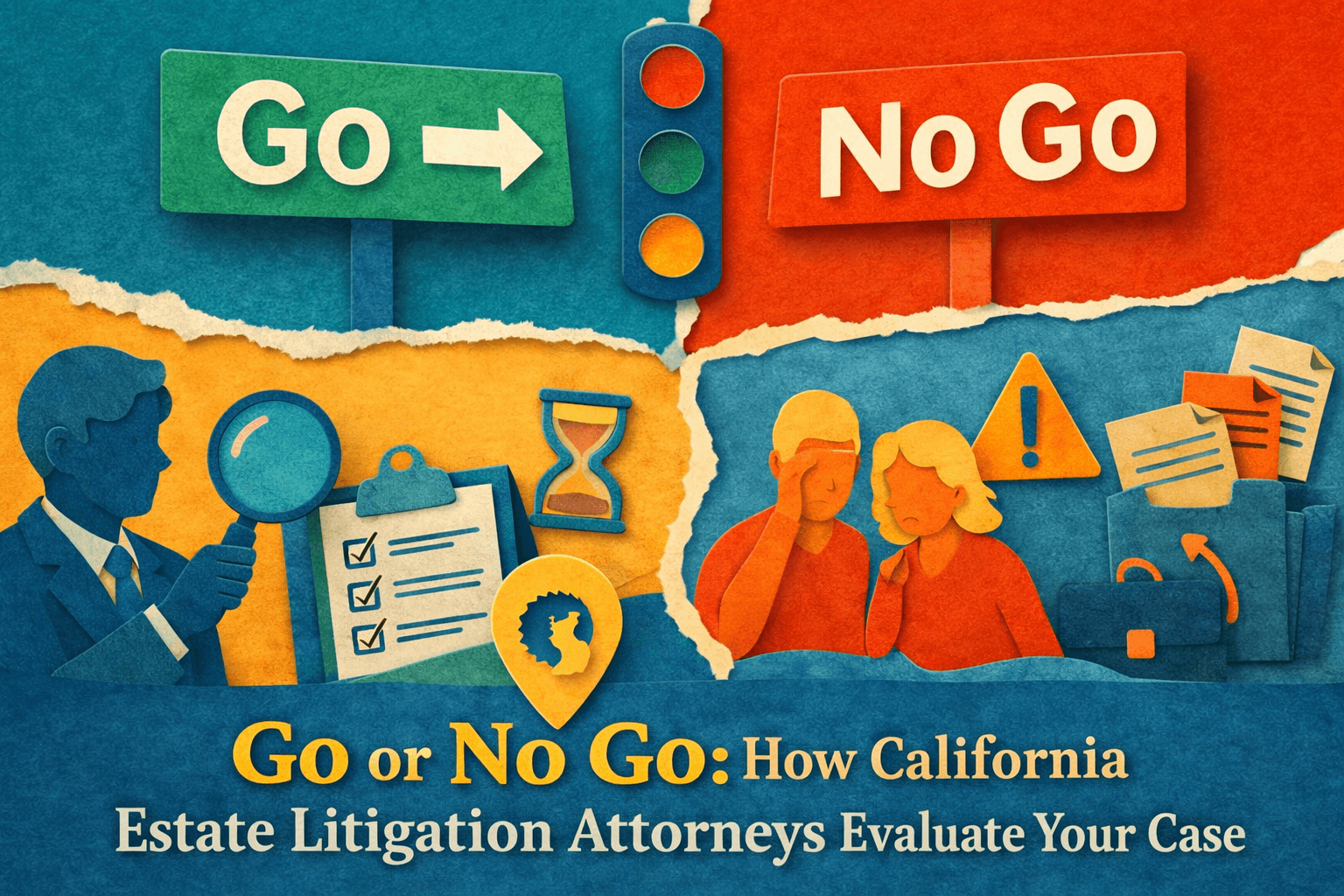

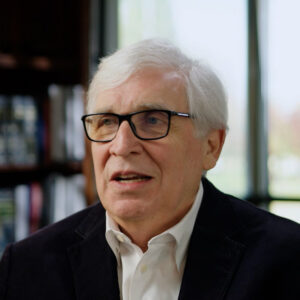 Michael Hackard is the founder of Hackard Law, a California trust and estate litigation firm with more than five decades of experience protecting the inheritance rights of families across Sacramento, the San Francisco Bay Area, and Los Angeles. He is the author of four published books on inheritance protection and has produced more than 1,000 educational videos with over seven million views.