


 (916) 313-3030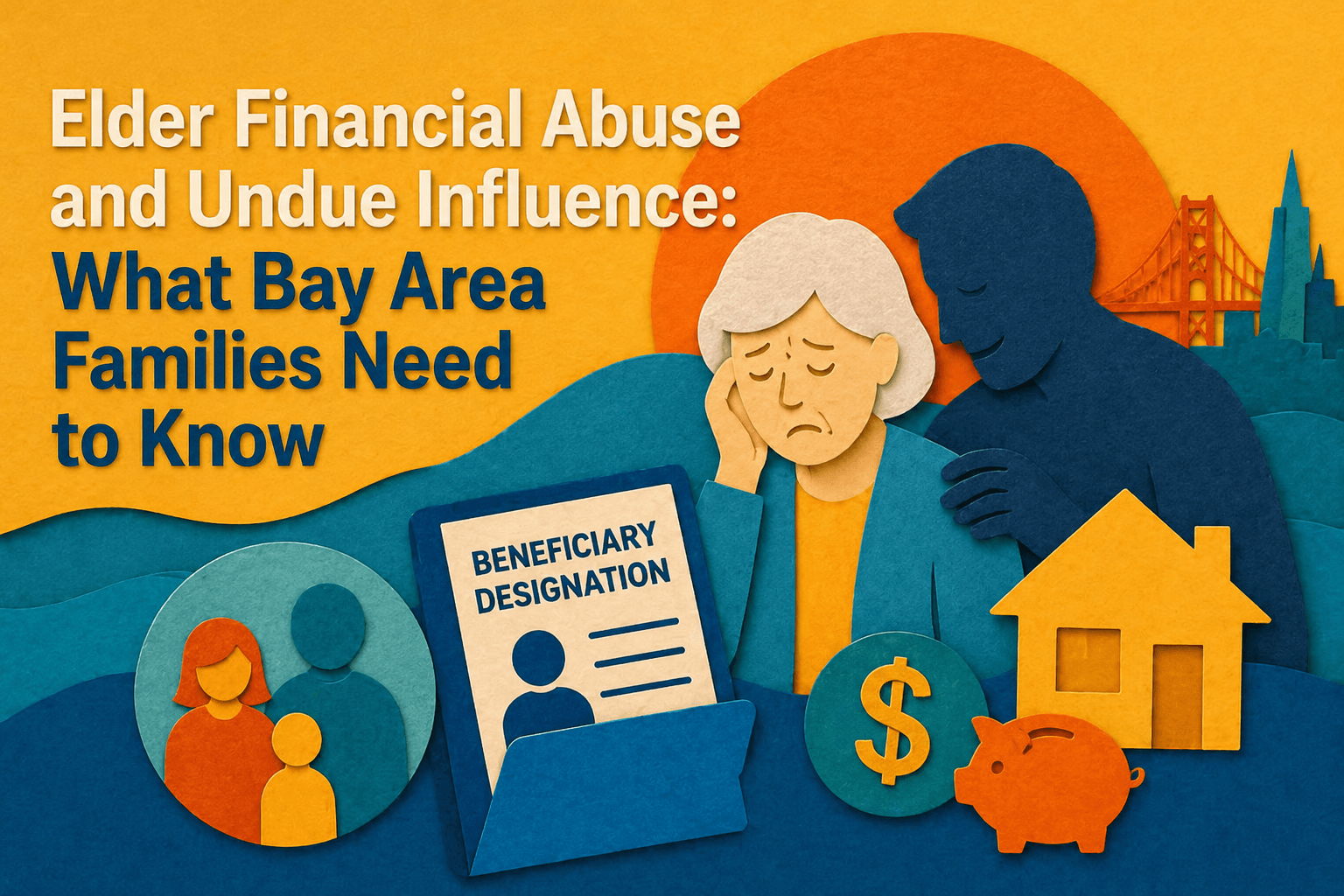
Elder Financial Abuse and Undue Influence: What Bay Area Families Need to Know
Protecting Seniors from Financial Exploitation
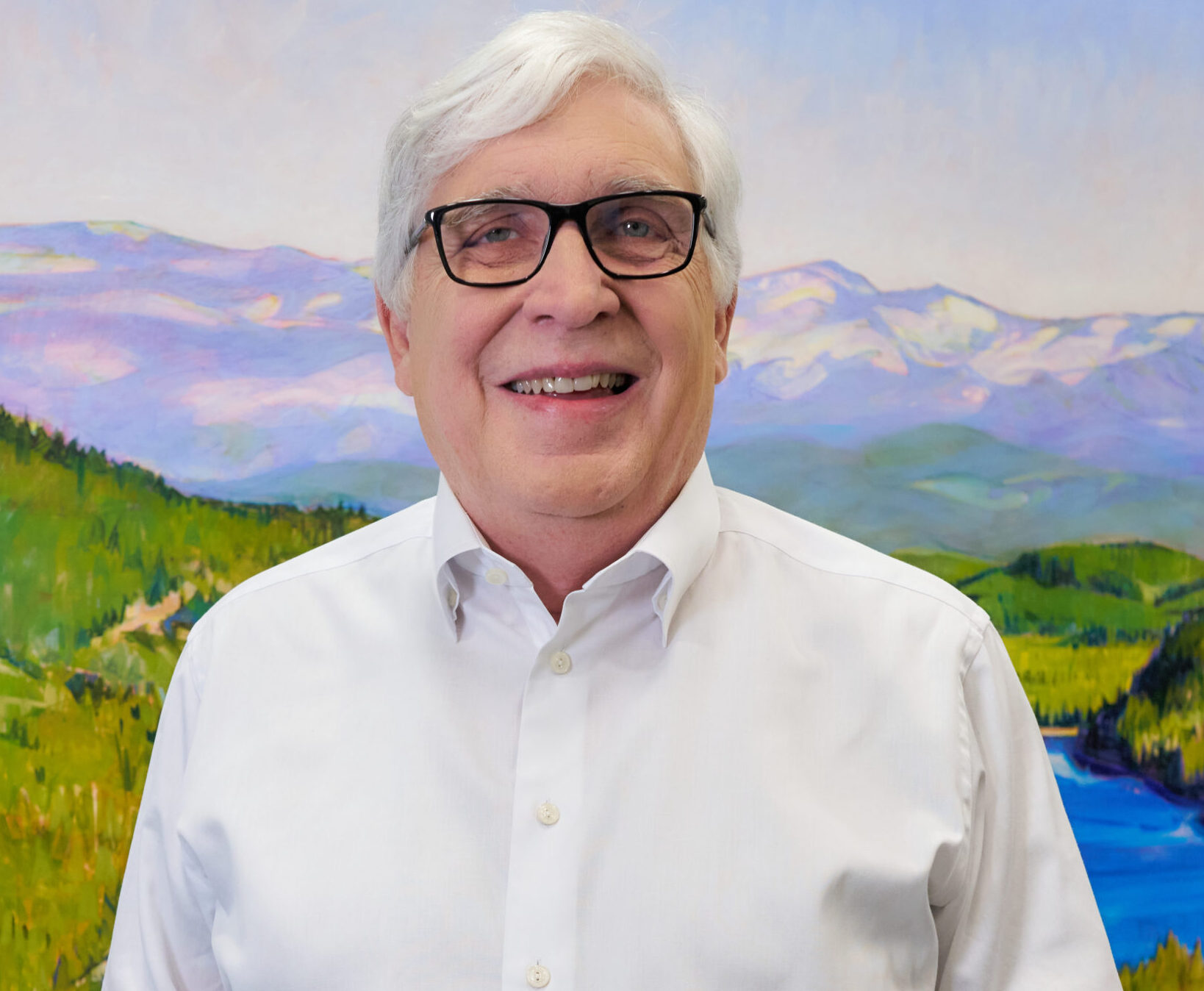
I am Michael Hackard, founder of Hackard Law, and over five decades of practice, I have fought for heirs, beneficiaries, and elder abuse victims across California – from Sacramento and the San Francisco Bay Area to Los Angeles. I have written four published books on inheritance protection, and my firm has produced more than 1,000 educational videos that have reached over seven million viewers. Elder financial abuse is a subject I return to again and again, because the harm it causes families is profound and, far too often, preventable.
I recently joined Chuck Finney on KLW 91.7 FM – San Francisco’s NPR affiliate – to discuss my book The Wolf at the Door: Undue Influence and Elder Financial Abuse. Chuck is a veteran attorney with 51 years of experience and 33 years as a San Mateo County Deputy District Attorney focused on consumer and environmental protection. Our conversation centered on a crisis that is quietly devastating Bay Area families: the financial exploitation of elderly loved ones through undue influence, power of attorney abuse, and trust manipulation.
Hackard Law provides contingency fee representation – no upfront costs for qualified cases. If your family has been affected by elder financial abuse, call us today at (916) 313-3030.
Quick Summary
Elder financial abuse is severely underreported in California, and Bay Area families face real risks when vulnerable seniors are targeted by those they trust. Early legal action is the single most effective tool available.
- Only one in 44 elder financial abuse cases is ever reported to get help from the authorities
- Undue influence can redirect trust assets, real estate, and savings away from rightful heirs.
- POA misuse is one of the most common vehicles for exploitation
- Revocable trusts and financial oversight can provide meaningful protection.
- California law allows recovery of assets and, in some cases, double damages.
The Scale of the Problem
Baby boomers are turning to 65 at a rate of 10,000 people per day. That demographic reality means the pool of potential targets is growing faster than the legal system can respond. Financial exploitation of seniors is already the most underreported form of elder abuse, with only 1 in 44 cases reaching the attention of authorities. The rest go undetected – and unchallenged.
The financial toll increases in silence & ignorance. By the time a family realizes that a trust has been looted, a home transferred, or a savings account drained, the abuser may have had months or years to conceal the damage. The fracture this causes within families often runs too deep for any judgment to mend.
For families in the Bay Area, the stakes are especially high. Elderly residents are appealing targets due to the region’s concentration of substantial real estate and investment assets. Apprehending how exploitation happens and how to stop it is the first step towards protecting the people you care about.
How Undue Influence Works
Undue influence is not always obvious. It rarely involves a stranger. More often, it is a trusted family member, caregiver, or close companion who gradually isolates an elderly person, erodes their independence, and steers their financial decisions. By the time the manipulation becomes visible, estate documents may already have been changed.
A will, a trust amendment, or a property transfer may be contested under California law on the grounds of undue influence. The vulnerability of the older, the influencer’s power and access, the strategies employed, and the ensuing injustice are only a few of the variables that courts take into account. A legal challenge can be successful when those conditions are met, but timing is crucial.
Case Pattern: Isolation and Redirection
An elderly Bay Area resident with significant real estate holdings gradually lost contact with her adult children after a new companion moved in. Within eighteen months, her trust had been amended to redirect the bulk of her estate to that companion.
Her children contacted an attorney shortly after her death. Litigation focused on the pattern of isolation, the elder’s documented cognitive decline, and the suspicious timing of the amendments.
Courts have found this kind of fact pattern compelling before. This case was no different.
Power of Attorney: Protection or Weapon
A durable power of attorney is one of the most powerful legal documents an elderly person can sign. In the right hands, it protects them. In the wrong hands, it becomes a tool for financial control. When a power of attorney becomes a weapon, the agent can drain bank accounts, redirect investment assets, and even transfer real estate – often without the elder’s meaningful awareness or consent.
Michael Hackard identifies power of attorney misuse as one of the most common patterns in elder financial abuse cases. Families who notice sudden changes in an elder’s financial behavior – unexplained withdrawals, new account signatories, or unfamiliar transactions – should treat those signs as urgent. For a deeper look at how California families can respond, the resource on when a power of attorney becomes a weapon offers practical guidance.
Early legal intervention is critical. The longer exploitation continues, the harder asset recovery becomes. Early intervention in elder financial abuse cases can mean the difference between full recovery and a partial remedy.
Case Pattern: Power of Attorney Misuse
A San Jose man granted a power of attorney to a trusted nephew while recovering from surgery. Over the following year, the nephew transferred funds across multiple accounts and sold a rental property, claiming the elder had consented. Medical records and financial forensics told a different story. The pattern – a vulnerable elder, an agent with unchecked access, and a series of self-serving transactions – is one that courts scrutinize closely.
California’s Legal Remedies
California provides some of the strongest elder financial abuse protections in the country. Under the Elder Abuse and Dependent Adult Civil Protection Act, victims and their families can pursue civil remedies. These remedies are more than just compensation. Courts may award double damages and attorney’s fees in cases involving financial abuse. Thereby creating a meaningful deterrent and helping level the playing field for families who might otherwise struggle to fund litigation.
For Bay Area residents, Oakland estate litigation and Santa Clara estate litigation are active areas where Hackard Law has pursued these claims. California’s statutory framework – compared to protections in other states – is detailed in the elder abuse laws by state resource for families navigating multi-state situations.
In addition to being legal tactics, discovery, forensic analysis, and the pursuit of justice serve as protections for families under threat from fraud and undue influence. What dishonesty attempted to steal is restored by an unwavering dedication to the truth.
Prevention: What Families Can Do Now
Legal action after the fact is powerful, but prevention is better. Families who take proactive steps can reduce the risk of exploitation before a crisis happens. A significant barrier against manipulation is created by a revocable living trust with appropriate oversight provisions and open communication among family members.
For decades, I have stood with families who wish they had acted sooner. The conversations that feel awkward about finances, who has access, and what the estate plan says are the most important. I have seen how quickly things can change when an elder becomes isolated or cognitively vulnerable. The complete guide to elder financial exploitation is a resource I recommend to any family that wants to understand the full landscape of risk.
Key Definitions
- Undue influence: Pressure or manipulation that overrides a person’s free will, causing them to make financial or legal decisions that benefit the influencer.
- Elder financial abuse: The illegal or improper use of an elder’s funds, property, or assets, often by someone in a position of trust.
- Durable power of attorney: A legal document granting an agent authority to act on another’s behalf in financial matters, which remains valid if the grantor becomes incapacitated.
- Revocable living trust: A trust created during a person’s lifetime that can be amended or revoked, and that passes assets outside of probate.
- Trustee: The individual or institution responsible for managing trust assets in accordance with the trust document and California law.
- Conservatorship: A court-supervised arrangement granting a person authority over an incapacitated adult’s finances or personal care.
- Isolation tactic: A behavioral pattern in which an abuser limits an elder’s contact with family and friends to increase control.
- Cognitive vulnerability: A condition – such as dementia or medication effects – that reduces an elder’s capacity to resist manipulation or understand transactions.
- Civil remedies: Legal claims that allow victims to recover financial losses, and in elder abuse cases, potentially double damages and attorney fees.
- Contingency fee: A fee structure in which the attorney is paid only if the case results in a recovery, with no upfront cost to the client.
What to Do Next
- Look for sudden changes in an elder’s estate documents, financial accounts, or named beneficiaries.
- Get copies of any trust amendments, deeds, or power of attorney documents signed in the past few years.
- Try to avoid confronting a suspected abuser directly before speaking with an attorney – it can complicate the legal case.
- Look for signs of isolation: reduced contact with family, a new gatekeeper controlling access, or unexplained changes in living arrangements.
- Get a medical assessment if you suspect cognitive decline is being exploited.
- Review the California inheritance theft guide to understand your legal options.
- Try to document suspicious transactions with bank statements, wire transfer records, or property records as early as possible.
- Look into whether California’s elder abuse statutes apply – they may entitle your family to double damages and fee recovery.
- Reach out to Hackard Law for a confidential consultation through the contact page.
- Call Hackard Law at (916) 313-3030 to speak with our team about your family’s situation.
CALL THE SAGE | When Experience Matters, Families Listen
🏛️ We practice California trust & estate & elder financial abuse litigation
⚖️ We represent heirs, beneficiaries, and elder abuse victims
🎥 1,000+ educational videos | 7 million+ views | 4 published books
🎯 “After thousands of cases, I see the pattern others miss.”
CONTINGENCY REPRESENTATION – No Win, No Fee
Throughout California: Sacramento | Los Angeles | Bay Area
📞 CALL THE SAGE: (916) 313-3030
Subscribe for weekly insights on:
• Elder financial abuse warning signs and prevention
• Trust and estate litigation strategies
• Inheritance protection for California families
• Family protection strategies
When your inheritance is under attack, Call The Sage.
Hackard Law | 10640 Mather Blvd, Mather CA 95655
Attorney Advertisement | Michael Hackard, State Bar #71067
RELATED VIDEOS
Interview with Chuck Finney on Elder Financial Abuse | KALW 91.7
Michael Hackard joins Chuck Finney on San Francisco’s NPR affiliate to discuss elder financial abuse.
Establishing Undue Influence & Elder Financial Abuse | CA Trust Litigation
How California courts evaluate undue influence claims in trust and estate litigation.
Elder Financial Abuse | Alameda, Contra Costa & San Francisco
Elder financial exploitation risks facing families in the San Francisco Bay Area counties.
POA Vultures | Power of Attorney Abuse
How predators exploit power of attorney documents to steal from vulnerable seniors.
Silicon Valley Elder Financial Abuse_ When Tech Wealth Becomes a Target
Why Bay Area seniors with significant tech wealth are especially vulnerable to financial predators.
How to Protect Families from Elder Financial Abuse | CA Trust Litigation
Practical legal strategies California families can use to safeguard seniors from financial exploitation.
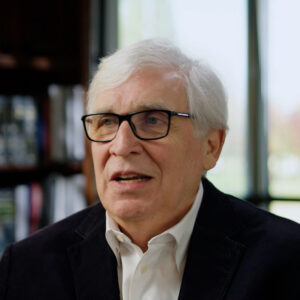 Michael Hackard is the founder of Hackard Law, a California trust and estate litigation firm with more than five decades of experience protecting the inheritance rights of families across Sacramento, the San Francisco Bay Area, and Los Angeles. He is the author of four published books on inheritance protection and has produced more than 1,000 educational videos with over seven million views.