


 (916) 313-3030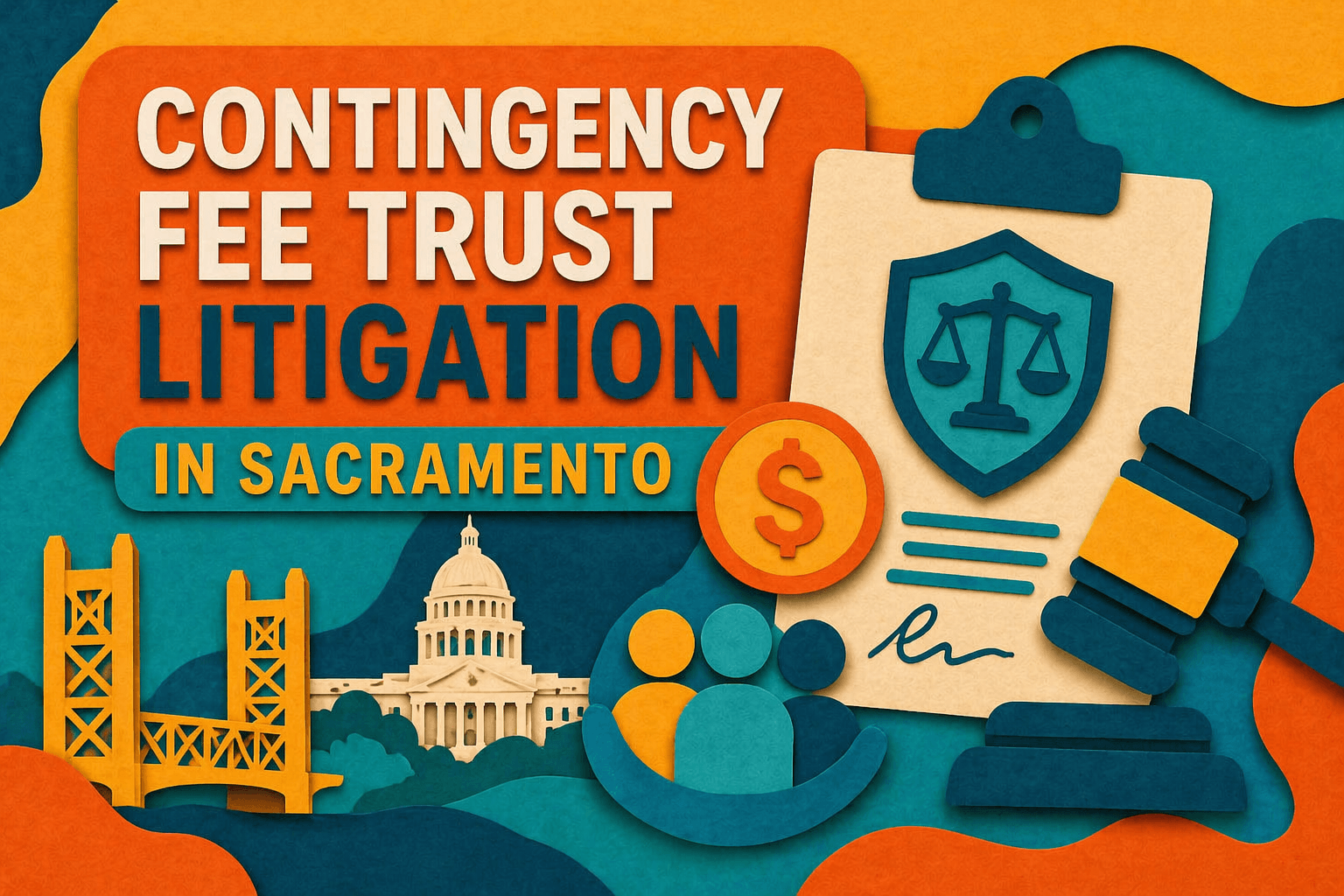
Contingency Fee Trust Litigation in Sacramento: Fighting Back When You Can’t Afford Hourly Fees

When the Playing Field Isn’t Level
Michael Hackard has spent more than five decades litigating trust, estate, and probate disputes across California. As the founder of Hackard Law, he has represented heirs, beneficiaries, and elder abuse victims in Sacramento, the San Francisco Bay Area, and Los Angeles. He is the author of four published books on inheritance protection and has produced more than 1,000 educational videos with over seven million views. Throughout those decades of practice, one reality has remained constant: money creates power in litigation, and the side with deeper pockets often assumes it will win by default.
Heirs and beneficiaries facing well-funded adversaries frequently believe they have no legal options. A trustee sitting on millions in trust assets can hire top-dollar attorneys and drag a case through years of motions and delays. Meanwhile, the disinherited sibling or the elder abuse victim may not have the resources to pay a single hourly invoice. Michael Hackard built his practice around a simple principle: the strength of a legal claim should matter more than the size of a bank account. That principle drives every case Hackard Law accepts.
Hackard Law provides contingency fee representation for qualified trust and estate litigation cases, meaning families pay no upfront attorney fees. Costs are recovered only when the case succeeds.
If you believe your inheritance rights have been violated and you cannot afford hourly legal fees, call Hackard Law at (916) 313-3030 for a consultation.
Quick Summary
Contingency fee arrangements allow heirs and beneficiaries to pursue legitimate claims against well-funded trustees, financial abusers, and other adversaries without paying hourly legal fees. Hackard Law evaluates each case to determine whether contingency representation is appropriate.
- Contingency fees eliminate the financial barrier that prevents many families from asserting their rights
- Key factors include the strength of the claim, the availability of recoverable assets, and the client’s inability to pay hourly rates
- Mediation and informal resolution remain valuable tools, but contingency litigation provides a path when those efforts fail
- Sacramento families facing trust disputes, probate battles, and elder financial abuse benefit from this model
Why Well-Funded Adversaries Count on Your Silence
A common dynamic in trust and estate disputes involves a trustee or other party who controls significant assets and uses that financial advantage as a weapon. The strategy is straightforward: make litigation so expensive that the other side gives up before the case ever reaches a courtroom. An overconfident trustee may refuse to provide accountings, delay distributions, or ignore legitimate beneficiary requests, all while paying attorneys by the hour from trust funds.
This tactic works when the opposing heir or beneficiary has no access to legal representation. Many families abandon valid claims simply because they cannot afford to fight. The well-funded party knows this and counts on it. Michael Hackard has identified this pattern repeatedly across decades of California trust litigation.
Contingency fee representation disrupts that calculation entirely. When heirs and beneficiaries retain counsel without upfront costs, the financial imbalance no longer dictates the outcome. The merits of the case take centre stage. Trustees and other parties who assumed they could outlast a less-funded opponent suddenly face an experienced litigation team with no financial incentive to settle cheaply or abandon the claim.
Case Pattern: The Stonewalling Trustee
In a recurring pattern across Sacramento trust disputes, a successor trustee inherits control of a substantial estate and refuses to communicate with beneficiaries. Months pass without accounting or distributions. The beneficiaries, unable to afford hourly legal fees, feel trapped. When contingency counsel steps in and files a petition to compel an accounting, the trustee’s posture changes rapidly. The mere presence of funded legal representation often accelerates resolution.
Mediation First, Litigation When Necessary
Michael Hackard consistently emphasises that not every dispute requires a courtroom battle. Heirs and beneficiaries often have legitimate differences of opinion about trust terms, asset valuations, and distribution timelines. When those differences arise, informal negotiation and mediation can save families significant time, money, and emotional strain.
Mediation works best when both parties negotiate in good faith. A neutral third party helps the disputing sides find common ground, and many trust and estate conflicts are resolved through this process without ever reaching a judge. Hackard Law encourages mediation as a first step whenever circumstances allow it.
However, mediation has limits. When one party refuses to negotiate fairly, or when a well-funded adversary uses mediation as a stalling tactic, litigation becomes the only viable path. In those situations, contingency fee representation ensures that the less-funded party can still pursue justice. The transition from mediation to litigation does not have to mean financial ruin for the family asserting its rights.
What Makes a Case Right for Contingency Representation
Not every trust or estate dispute qualifies for contingency fee representation. Hackard Law evaluates each potential case based on several critical factors before agreeing to take it on a contingency basis.
The first factor is the strength of the legal claim. A contingency arrangement only makes sense when the facts and the law support a strong case. Michael Hackard and his team assess the evidence, review relevant documents, and determine whether the claim has a realistic chance of success. Weak or speculative claims do not qualify.
The second factor is the availability of recoverable assets. A successful verdict or settlement means nothing if there are no assets to collect. Trust litigation often involves liquid assets, real property, or other holdings that can be seized or transferred following a favourable outcome. Hackard Law identifies these assets early in the evaluation process.
The third factor is the client’s financial situation. Contingency fee representation exists to serve clients who genuinely cannot afford hourly legal fees. Families facing financial hardship while watching an adversary spend freely from trust assets represent the core of this practice. Understanding how contingency fees bridge the representation gap helps families see that asserting their rights is possible even without deep pockets.
Case Pattern: The Impoverished Heir
A common scenario involves an adult child who was named as a beneficiary in a parent’s original trust. After the parents’ cognitive decline, a caretaker or favoured sibling manipulates a trust amendment that cuts the original beneficiary out entirely. The disinherited heir, already struggling financially, assumes there is nothing to be done. Contingency fee counsel evaluates the claim, identifies the manipulated amendment, and pursues litigation to restore the original trust terms. The heir pays no fees unless the case succeeds.
The Most Common Trust and Estate Battles in Sacramento
Sacramento families face a wide range of trust and estate disputes. Some of the most frequent involve trustees who mismanage assets, refuse to distribute inheritances, or engage in outright theft. Others involve elder financial abuse, where a caregiver or family member exploits a vulnerable senior to redirect estate assets.
Contested wills and trusts also represent a significant portion of Sacramento County probate litigation. These cases often arise when a late-stage amendment or a hastily drafted document contradicts years of prior estate planning. Families who suspect undue influence or fraud have legitimate grounds to challenge these documents in court.
Trust disputes involving real property add another layer of complexity. Sacramento’s real estate values mean that a single-family home held in trust can represent a substantial inheritance.
When a trustee sells that property at below-market value or transfers it to a favoured party, the remaining beneficiaries suffer direct financial harm. Contingency-fee litigation provides a mechanism for beneficiaries to recover what they are owed.
Every beneficiary should understand their fundamental rights under California law. Knowledge of those rights is the first step toward determining whether a dispute warrants legal action.
Choosing the Right Attorney for Your Case
Selecting legal counsel for a trust or estate dispute is one of the most important decisions a family can make. The outcome of the case often depends on the attorney’s familiarity with California trust and probate law, courtroom experience, and willingness to take the case through trial if necessary.
Families should look for a firm with a demonstrated record in trust and estate litigation, not general practice attorneys who occasionally handle a probate matter. Hackard Law focuses its practice on trust, estate, and probate litigation throughout California. Understanding how to choose the right probate lawyer helps families avoid costly mistakes early in the process.
A qualified attorney will evaluate the case honestly. Not every dispute can be won, and not every claim justifies the cost and stress of litigation. Michael Hackard has always been direct with prospective clients about the strengths and weaknesses of their cases. That honesty builds trust and sets realistic expectations from the start.
Key Definitions
- Contingency Fee: A fee arrangement where the attorney receives payment only if the case results in a successful outcome, typically as a percentage of the recovery
- Trustee: The person or entity responsible for managing trust assets according to the trust document’s terms
- Beneficiary: A person named in a trust or will who is entitled to receive assets or distributions from the estate
- Mediation: A voluntary dispute resolution process where a neutral third party helps opposing sides negotiate a settlement
- Accounting: A formal report prepared by a trustee detailing all income, expenses, distributions, and asset changes within the trust
- Undue Influence: Excessive pressure or manipulation exerted on a vulnerable person to change estate documents in favor of the influencer
- Probate Litigation: Court proceedings to resolve disputes involving wills, trusts, estates, and related matters
- Successor Trustee: The person who takes over trust management after the original trustee dies or becomes incapacitated
- Elder Financial Abuse: The illegal or improper use of a senior’s financial resources by a person in a position of trust or authority
What to Do Next
- Gather all trust documents, amendments, and correspondence related to the dispute
- Document any instances of trustee misconduct, delayed distributions, or refusal to provide accountings
- Note dates and details of any conversations or events that suggest undue influence or financial abuse
- Contact an experienced trust and estate litigation attorney to evaluate your case
- Ask about contingency fee arrangements if you cannot afford hourly legal fees
- Do not sign any documents or agree to settlements without legal counsel reviewing them first
- Preserve all digital records, emails, and text messages related to the estate
- Request a formal accounting from the trustee if one has not been provided
- Act promptly as California imposes statutes of limitations on many trust and estate claims
- Keep a written timeline of all events related to the dispute for your attorney’s review
If you are facing a trust, estate, or probate dispute and need contingency fee representation, call Hackard Law at (916) 313-3030 to discuss your case.
CALL THE SAGE | When Experience Matters, Families Listen
🏛️ We practice California trust & estate & elder financial abuse litigation
⚖️ We represent heirs, beneficiaries, and elder abuse victims
🎥 1,000+ educational videos | 7 million+ views | 4 published books
🎯 “After thousands of cases, I see the pattern others miss.”
CONTINGENCY REPRESENTATION – No Win, No Fee
Throughout California: Sacramento | Los Angeles | Bay Area
📞 CALL THE SAGE: (916) 313-3030
Subscribe for weekly insights on:
• Elder financial abuse warning signs and prevention
• Trust and estate litigation strategies
• Inheritance protection for California families
• Family protection strategies
When your inheritance is under attack, Call The Sage.
Hackard Law | 10640 Mather Blvd, Mather CA 95655
Attorney Advertisement | Michael Hackard, State Bar #71067
RELATED VIDEOS
Trust & Estate Litigation Cases | Sacramento and Los Angeles
Sacramento Estate and Trust Litigation Settlements | What’s Next?
Trust Distribution for Beneficiaries | Contingency Attorney
How to Win an Estate Litigation Fight | Sacramento
Sacramento Trust Litigation Attorney | Results Matter
How Do I Know If I Need an Estate Litigation Lawyer? | Hackard Law Estate Litigation FAQ
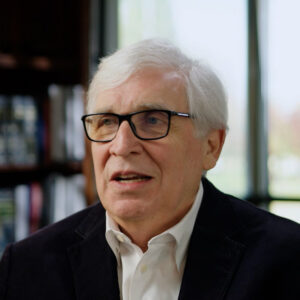 Michael Hackard is the founder of Hackard Law, a California trust and estate litigation firm with more than five decades of experience protecting the inheritance rights of families across Sacramento, the San Francisco Bay Area, and Los Angeles. He is the author of four published books on inheritance protection and has produced more than 1,000 educational videos with over seven million views.