


 (916) 313-3030
Are California Trust Beneficiaries Last in Line to Be Paid?

Understanding the Distribution Order for California Trust Beneficiaries
I am Michael Hackard, founder of Hackard Law. Over five decades of practicing California trust and estate litigation, I have guided thousands of families through complex inheritance disputes. I have authored four published books on inheritance protection and produced more than 1,000 educational videos with over seven million views. One question comes up again and again from families I work with: after a loved one passes away, why does it take so long for trust beneficiaries to actually receive their inheritance?
The structure of the payment priority for revocable trusts under California law provides the solution. Although beneficiaries have legal rights to trust assets, they are placed at the back of the line by state and federal law. In Sacramento, the San Francisco Bay Area, and Los Angeles, Hackard Law represents heirs, beneficiaries, and victims of elder abuse who are denied or have their trust distributions delayed. Understanding this legal framework is the first step toward protecting your inheritance.
Hackard Law provides contingency-fee representation, meaning no upfront costs for qualified cases. Families facing trust disputes should not have to pay out of pocket just to enforce their legal rights.
If you believe a trustee is delaying your distribution or mismanaging trust assets, contact Hackard Law at (916) 313-3030 for a consultation.
Quick Summary: Why Trust Beneficiaries Get Paid Last
California law establishes a strict order of priority for payments from a revocable trust after the trust maker dies. Beneficiaries receive distributions only after all other obligations are satisfied. Here is the legally mandated payment order.
- Federal and California tax obligations come first.
- Trust administrative expenses, mortgages, funeral costs, and last-illness expenses follow.
- Wage claims, general debts, and allowed attorney fees are paid next.
- Beneficiaries receive remaining assets only after all prior obligations are cleared.
- Trustees who fail to follow this order face potential personal liability
How a Revocable Trust Works After the Trust Maker Dies
A California revocable trust allows the trust maker, often called the settlor or trustor, to retain full control over their assets during their lifetime. The trust can be changed, revoked, or reorganized at any time by the trust maker. One of the main reasons revocable trusts are so appreciated in California estate planning is their flexibility.
When the trust maker passes away, the trust becomes irrevocable. At that point, the successor trustee steps into the role of managing and distributing the trust assets according to the trust instrument and California law. The successor trustee cannot alter the trust terms. Their sole duty is to administer the trust faithfully, pay required obligations, and distribute the remaining assets to the named beneficiaries.
The transition from revocable to irrevocable status is the critical turning point. Once the trust locks into its final form, the legal payment hierarchy takes effect. Every creditor, government agency, and administrative expense must be addressed before a single dollar flows to beneficiaries. This reality catches many families off guard, particularly when trust administration drags on for months or even years.
Case Pattern: The Stalled Family Home Distribution
A family in Northern California anticipated receiving a family home via the revocable trust of their parents. Due to unpaid property taxes, unpaid medical bills, and unpaid legal fees, the successor trustee, a sibling, postponed distribution for more than eighteen months. The beneficiaries learned that the trustee had also been using trust funds to cover personal expenses. The trustee was forced to submit a complete accounting due to a legal challenge, and the court mandated the distribution of the remaining assets once all justifiable obligations had been met.
The Legal Payment Priority: What Gets Paid Before You
California law creates a clear hierarchy for trust payments. Understanding each category helps beneficiaries evaluate whether a trustee is administering the trust properly or whether delays signal something more troubling.
Federal and state taxes always come first. The Internal Revenue Service and the California Franchise Tax Board hold priority positions. Estate taxes, income taxes generated by trust assets, and any outstanding tax liabilities of the decedent must be resolved before other payments proceed.
Administrative expenses follow. These include costs related to maintaining real property held in the trust, mortgage payments, property insurance, and the cost of managing trust investments. Funeral expenses and the medical costs of the trust maker’s last illness also fall into this category.
General debts come next. Any outstanding wage claims, credit card balances, personal loans, and other obligations of the deceased trust maker are paid from trust assets. California law requires the trustee to notify known creditors, and creditors have a window to file claims against the trust.
After debts are settled, trust administration attorney fees are paid. These fees pay for the legal work needed to manage creditor claims, file tax returns, administer the trust, and get it ready for distribution. Beneficiaries have the right to contest attorney fees in court if they seem exaggerated or unreasonable.
Only after every one of these obligations is met does the beneficiary receive what remains. This system protects creditors and the government, but it can leave beneficiaries feeling powerless, especially when a trustee drags out the process.
When Trustee Delay Becomes Trustee Misconduct
Not every delay in trust distribution is innocent. Some trustees use the complexity of the payment hierarchy as cover for self-dealing, negligence, or outright mismanagement. California law imposes a fiduciary duty on every successor trustee. That duty requires the trustee to act in the best interests of the beneficiaries, manage trust assets prudently, and distribute assets within a reasonable time.
When a trustee fails to provide accountings, refuses to communicate with beneficiaries, or delays distributions without legitimate cause, those actions may rise to the level of breach of fiduciary duty. Beneficiaries have the right to petition the court to compel an accounting, remove the trustee, or surcharge the trustee for losses caused by mismanagement.
Hackard Law litigates these cases regularly. Michael Hackard identifies patterns of trustee delay that often mask deeper problems, including unauthorized distributions to favored family members, excessive trustee compensation, or the quiet liquidation of trust assets below market value. Each of these patterns ranks among the most common trust disputes in California.
Case Pattern: The Vanishing Trust Account
When a Southern California family found out that the successor trustee had been regularly taking money out of the trust account for personal use, they claimed the payments were administrative expenses. The trustee produced records that revealed thousands of dollars in unexplained charges when the beneficiaries demanded an accounting. The court appointed an impartial fiduciary to finish the distribution, dismissed the trustee, and mandated restitution.
Protecting Your Rights as a California Trust Beneficiary
Beneficiaries do not have to sit quietly and wait. California law provides real tools to hold trustees accountable and accelerate the distribution process. The key is acting early and understanding what the law allows.
Beneficiaries have the right to receive a copy of the trust instrument within sixty days of the trust maker’s death. This document lays out the distribution plan and identifies the trustee’s obligations. If the trustee fails to provide it, the beneficiary can petition the court.
Beneficiaries also have the right to demand a trust accounting. An accounting shows every dollar that has come into and gone out of the trust since the trustee took control. Trustees who resist providing accounting often have something to hide.
When legitimate disputes arise over how a trust should be interpreted or administered, litigation may become necessary. Hackard Law represents beneficiaries who need to enforce their rights through the California courts. The firm handles cases involving delayed distributions, trustee misconduct, contested trust amendments, and disputes over the validity of trust instruments.
Families should also understand that choosing the right attorney matters. Trust and estate litigation requires deep familiarity with the California probate code, fiduciary law, and courtroom strategy.
Key Definitions
- Revocable Trust: A trust that the maker can change or cancel during their lifetime. It becomes irrevocable and locked upon the maker’s death.
- Settlor / Trustor: The person who creates the trust and transfers assets into it.
- Successor Trustee: The individual or institution named to manage the trust after the original trustee (often the trust maker) dies or becomes incapacitated.
- Irrevocable Trust: A trust that cannot be modified or revoked. A revocable trust automatically becomes irrevocable when the trust maker passes away.
- Fiduciary Duty: The legal obligation a trustee owes to beneficiaries to act honestly, prudently, and in their best interests at all times.
- Trust Accounting: A detailed financial report that shows all trust income, expenses, distributions, and remaining assets over a specific period.
- Surcharge: A court-ordered monetary penalty imposed on a trustee who breaches their fiduciary duty and causes financial loss to the trust or its beneficiaries.
- Creditor Claim: A formal demand by a person or entity owed money by the deceased trust maker, filed against the trust during the administration period.
- Breach of Fiduciary Duty: A trustee’s failure to meet their legal obligations, including mismanagement, self-dealing, or failure to distribute assets.
- Probate Avoidance: The primary benefit of a revocable trust is that it allows assets to pass to beneficiaries without going through the formal probate court process.
What to Do Next if You Are a California Trust Beneficiary
- Request a complete copy of the trust instrument from the successor trustee immediately after the trust maker’s death.
- Demand a formal trust accounting if more than a few months have passed without any distribution or financial report.
- Document every communication with the trustee, including dates, requests made, and responses received.
- Review the trust instrument carefully to understand the distribution terms and the trustee’s stated powers.
- Consult with a California trust litigation attorney if the trustee is uncommunicative, evasive, or hostile.
- File a petition with the probate court if the trustee refuses to provide an accounting or unreasonably delays distributions.
- Investigate whether the trustee has made unauthorized payments to themselves or third parties from trust funds.
- Understand the legal payment priority to evaluate whether the trustee’s claimed expenses are legitimate.
- Act promptly because California imposes statutes of limitation on trust-related claims that can bar your case if you wait too long.
If your trust distribution has stalled or you suspect trustee misconduct, call Hackard Law at (916) 313-3030 to discuss your situation.
CALL THE SAGE | When Experience Matters, Families Listen
📚 50 years California trust, estate & elder financial abuse litigation
⚖️ We represent heirs, beneficiaries, and elder abuse victims
🎥 1,000+ educational videos | 7 million+ views | 4 published books
🎯 “After thousands of cases, I see the pattern others miss.”
CONTINGENCY REPRESENTATION — No Win, No Fee
Throughout California: Sacramento | Los Angeles | Bay Area
📞 CALL THE SAGE: (916) 313-3030
Subscribe for weekly insights on:
- Elder financial abuse warning signs and prevention
- Trust and estate litigation strategies
- Inheritance protection for California families
- Family protection strategies
When your inheritance is under attack, Call The Sage.
Hackard Law | 10640 Mather Blvd, Mather CA 95655
Attorney Advertisement | Michael Hackard, State Bar #71067
RELATED VIDEOS
Breach of Trust Triggers | Trust Accounting & Trustee Removal
Directly matches the blog’s core themes of trustee misconduct, trust accounting rights, and trustee removal — the highest keyword-hit candidate at 5 hits.
Trust Beneficiary Distributions | Trustee Judgment Required?
Squarely addresses the blog’s central question about trust beneficiary distributions and the role of trustee discretion in the payment process.
San Mateo County Trust Administration When Trustees Breach Fiduciary Duties Hackard Law
Directly covers trustee breach of fiduciary duty during trust administration — a central theme of the blog regarding delayed or improper distributions.
Successor Trustee Disputes: When Siblings Battle for Control of the Family Trust
Aligns with the blog’s case pattern of a sibling successor trustee delaying distribution and beneficiary conflicts over trust control.
Remove a Holdover Trust Beneficiary from Trust Property
Second-highest keyword-hit candidate at 5 hits; complements the blog’s discussion of beneficiary rights and trust property disputes.
What Does a Trust Administration Lawyer Really Do
Provides practical context for beneficiaries considering legal help — reinforces the blog’s guidance on consulting a California trust litigation attorney.
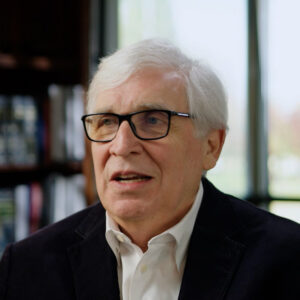 Michael Hackard is the founder of Hackard Law, a California trust and estate litigation firm with more than five decades of experience protecting the inheritance rights of families across Sacramento, the San Francisco Bay Area, and Los Angeles. He is the author of four published books on inheritance protection and has produced more than 1,000 educational videos with over seven million views.