I am Michael Hackard, founder of Hackard Law, and over five decades of practice, I have fought for heirs, beneficiaries, and elder abuse victims across California – from Sacramento to the San Francisco Bay Area and Los Angeles. I have written four books on inheritance protection, and my most recent, Alzheimer’s, Widowed Stepmothers and Estate Crimes, examines one of the most painful and underreported problems in American family life: the financial exploitation of aging adults at their most vulnerable. My firm has also produced more than 1,000 educational videos that have reached over seven million viewers, because I believe that awareness is the first line of defense.
Last week, the influential wealth management journal ThinkAdvisor interviewed me about celebrity trust and estate battles, the phenomenon of stepmother conflicts, and the risk factors of elder financial abuse. That conversation, along with a companion piece in Forbes, reinforced something I have believed for years: journalists, attorneys, financial advisors, and medical professionals must work together if we are going to slow the tide of inheritance exploitation. With $30 trillion in baby boomer assets set to transfer over the next two to three decades, the stakes could not be higher.
Hackard Law provides contingency fee representation for qualified elder financial abuse and estate litigation cases – no upfront costs to you. To find out whether your situation qualifies, call us at (916) 313-3030.
Quick Summary
Elder financial abuse in estate and trust transfers is increasing as the largest wealth transfer in American history takes place. Financial advisors are in a unique position to step in early because celebrity cases highlight trends that impact regular families on a daily basis.
Cognitive decline creates vulnerability that predators – including new spouses – actively exploit.
Celebrity cases involving stepmother conflicts reveal patterns seen in everyday estate disputes.
Financial advisors can play a pivotal role in identifying and stopping inheritance exploitation.
California law provides strong remedies, including double damages, for proven elder financial abuse.
Early legal intervention is often the difference between recovery and permanent loss.
The ThinkAdvisor Interview: Bringing Celebrity Cases Into Focus
ThinkAdvisor journalist Jane Wollman Rusoff – an experienced reporter who has covered senior exploitation for years – interviewed me about the intersection of celebrity estates and elder abuse. She had previously spoken with me about my earlier book, The Wolf at the Door, and this time we covered a wider range of topics tied to my new book.
We talked about a number of well-known cases, including Alan Thicke, Mickey Rooney, Tony Curtis, Casey Kasem, and Jerry Lee Lewis. These are not rumors. These are stories of caution. In each case, an elderly performer with substantial wealth became estranged from relatives who had long anticipated inheriting, frequently as a result of a late-life marriage. The pattern is remarkably consistent: beneficiaries who receive little or nothing, rapid changes to estate documents, cognitive decline, and a new intimate relationship.
Celebrity cases matter because they give the public a concrete, recognizable frame for understanding what undue influence in California estate law actually looks like. The same dynamics that played out in a famous musician’s final years are playing out right now in living rooms across the Bay Area and throughout California.
Case Pattern: Stepmother Isolation
Within months of their mother’s passing, their father, a retired professional in his late eighties with early-stage dementia, remarried, provoking the family to contact Hackard Law. The family home was transferred, and all four adult children were dismissed from the trust within a year. The matter proceeded through Alameda County estate litigation, and the case ultimately resolved through mediation with a meaningful recovery for the children.
The Forbes Piece: Why Financial Advisors Are on the Front Lines
Around the same time as the ThinkAdvisor interview, Forbes published an in-depth overview by estate planning attorney Martin Shenkman on how investment and financial professionals can play a pivotal role in stopping inheritance exploitation. Shenkman referenced a serious case I litigated in Alameda County, where $5 million in beneficiary assets were placed at risk by a third party’s actions. That case was settled favorably through Alameda County mediation.
The Forbes piece emphasizes something I’ve long emphasized: financial advisors frequently spot warning signs before attorneys do. They take notice when an elderly client abruptly wants to change beneficiary designations. Or he wants to liquidate accounts, or give broad powers of attorney to a stranger. That moment of hesitation, that sense that something is wrong, can be the intervention that saves a family.
The resources available to advisors who want to understand elder financial exploitationhave grown considerably, but awareness alone is not enough. Advisors need to know what to do when they see the signs, and they need legal partners who can move quickly.
The $30 Trillion Transfer and the Predators Who Know It Is Coming
The numbers are staggering. Over the next two to three decades, baby boomers will transfer an estimated $30 trillion in assets to the next generation. That figure is not lost on those who seek to divert inheritances through manipulation, fraud, and undue influence.
Cognitive decline is the primary vulnerability. Alzheimer’s disease and related dementias affect millions of Americans, and the progression is often gradual enough that families do not recognize the danger until significant damage has already been done. An elder with diminished capacity may sign documents they do not understand, agree to transfers they would never have approved when healthy, and become isolated from the very family members who could protect them.
Early legal intervention in estate transfers – before assets are dissipated and documents are buried – is often the only way to preserve what remains. California law provides meaningful tools for recovery, including civil remedies that can result in double damages and attorney fee awards against those who commit financial abuse against elders.
Case Pattern: Power of Attorney Misuse
After learning that her mother’s longtime caregiver had been designated as the only agent under a new power of attorney signed six months prior to the mother’s passing, an adult daughter got in touch. Hundreds of thousands of dollars were transferred, according to bank records. The matter was litigated with the help of forensic financial analysis, and the family recovered a substantial portion of the lost assets. Guarding against elder financial abuse in California trust litigation requires exactly this kind of early, aggressive action.
A Collaborative Response to a Growing Crisis
For decades, I have stood with families who discovered too late that someone they trusted had been quietly dismantling an inheritance. The financial toll grows with every month of delay. The fracture within families often runs too deep for any judgment to mend. What I have learned is that no single profession can solve this problem alone.
When a financial advisor flags an unusual transaction, when a physician documents cognitive decline, when a journalist writes a story that puts a human face on exploitation, and when an attorney moves swiftly to protect assets – that is when outcomes change. Discovery, forensic analysis, and the pursuit of justice are not just legal strategies, but safeguards for families threatened by undue influence and fraud. A steadfast commitment to truth restores what dishonesty tried to steal.
I am grateful to Jane Wollman Rusoff and Martin Shenkman for amplifying this message. The more professionals who understand the warning signs and know how to respond, the better we protect the people who built these estates over a lifetime of work. Families in Oakland, throughout the East Bay, and across the Bay Area deserve that protection – and Hackard Law is here to provide it.
Key Definitions
Undue influence: Pressure or manipulation that overrides a person’s free will in making estate planning decisions, often involving a position of trust or authority over a vulnerable elder.
Cognitive decline: A deterioration in memory, reasoning, or judgment – conditions like Alzheimer’s or dementia – that can reduce a person’s legal capacity to make binding decisions.
Power of attorney: A legal document granting one person authority to act on another’s behalf in financial or legal matters; it can be misused to transfer assets without the principal’s genuine consent.
Stepmother conflict: A pattern in estate disputes where a surviving spouse – often a second or third spouse – takes actions that divert assets away from children of a prior relationship.
Contingency fee representation: A fee arrangement in which the attorney is paid only if the case results in a recovery, eliminating upfront legal costs for the client.
Double damages: A civil remedy available under California elder abuse law that allows courts to award twice the actual damages proven, in addition to attorney fees, against those found liable for financial abuse.
Fraudulent transfer: The movement of assets – often into a new spouse’s name or a new trust – with the intent to deprive rightful heirs or beneficiaries of their inheritance.
Mediation: A structured negotiation process in which a neutral third party helps disputing parties reach a settlement, often used in trust and estate conflicts to avoid prolonged litigation.
Beneficiary designation: A named recipient of assets such as life insurance proceeds or retirement accounts; these designations can be changed under undue influence and may be challenged in court.
What to Do Next
Look for sudden changes in an elder’s estate documents, beneficiary designations, or account ownership – especially after a new relationship begins.
Get copies of any trust amendments, powers of attorney, or deed transfers signed in the last few years of a loved one’s life.
Try to avoid delay if you suspect exploitation – assets can be moved quickly, and early action preserves options.
Look for a pattern of isolation: has the elder been cut off from longtime friends, advisors, or family members?
Get a medical timeline if cognitive decline is a factor – physician records can be critical evidence in an undue influence case.
Examines the financial and personal toll elder abuse takes on victims and their families.
Frequently Asked Questions
Celebrity cases like those involving Casey Kasem or Mickey Rooney follow the same patterns as cases affecting ordinary families: cognitive decline, a new intimate relationship, rapid changes to estate documents, and excluded heirs. These public stories help families recognize warning signs in their own situations before it is too late.
Advisors often notice the earliest warning signs – unusual account activity, pressure from a new contact, or sudden requests to change beneficiary designations. Flagging these changes promptly and connecting families with legal counsel can make the difference between early recovery and permanent loss.
California law allows courts to award double the actual damages proven, plus attorney fees, against parties found liable for elder financial abuse. These remedies apply to trust and estate transfers as well as direct financial exploitation.
Cognitive decline reduces a person’s ability to resist manipulation or understand what they are signing. Courts examine medical records, witness testimony, and the timing of document changes to determine whether an elder had the capacity – and the freedom – to make genuine estate planning decisions.
Hackard Law handles qualifying elder financial abuse and estate litigation cases on a contingency fee basis, meaning no upfront costs. The firm has litigated and resolved cases throughout the Bay Area, including Alameda County, and brings decades of experience to each matter.
About the Author
Michael Hackard is the founder of Hackard Law, a California trust and estate litigation firm with more than five decades of experience protecting the inheritance rights of families across Sacramento, the San Francisco Bay Area, and Los Angeles. He is the author of four published books on inheritance protection and has produced more than 1,000 educational videos with over seven million views.



 (916) 313-3030
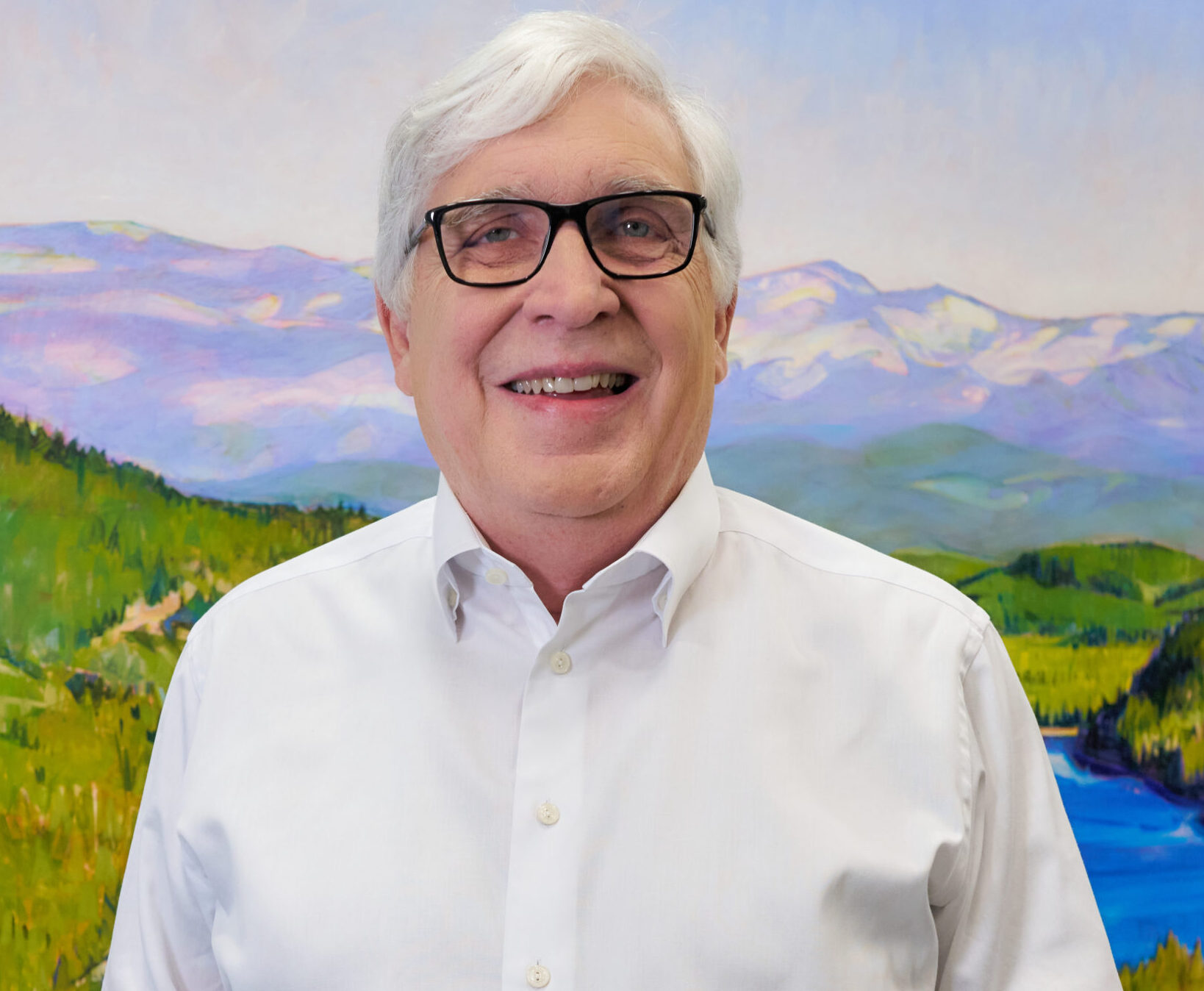
 Michael Hackard is the founder of Hackard Law, a California trust and estate litigation firm with more than five decades of experience protecting the inheritance rights of families across Sacramento, the San Francisco Bay Area, and Los Angeles. He is the author of four published books on inheritance protection and has produced more than 1,000 educational videos with over seven million views.